Cromer Museum
Cromer Museum offers a vivid journey into the history of this famous Norfolk seaside town, housed in a series of cosy Victorian fishermen’s cottages. Their brick floors, low ceilings and traditional hearths immediately set the scene, giving visitors a sense of everyday life along the coast more than a century ago. The museum is especially known for its strong links to geology and palaeontology, thanks to Cromer’s position on the Deep History Coast. Inside, one of the standout attractions is the West Runton mammoth, represented through casts, displays and finds from the remarkable discovery of the largest steppe mammoth skeleton ever unearthed in Britain. The geology gallery showcases fossils, prehistoric tools and information about the shifting cliffs that continue to reveal new finds. Local history exhibits explore Cromer’s growth as a Victorian holiday resort, with collections of early postcards, bathing machines, pier memorabilia and lifeboat stories. The recreated fisherman’s cottage offers an intimate look at domestic life, complete with period furniture and household objects. Together, these displays create a warm, detailed portrait of Cromer’s coastal heritage, from ancient landscapes to lively seaside traditions.
Cromer United Kingdom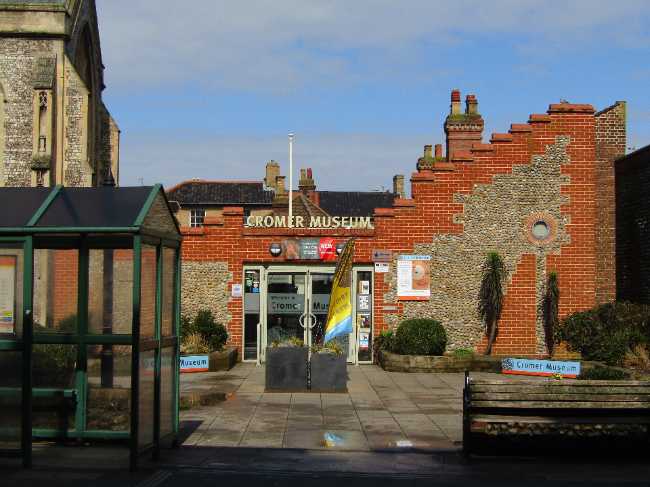
Cromer Museum sits in the centre of the seaside town of Cromer on the north Norfolk coast, right beside the parish church and only a couple of minutes’ walk from the esplanade and beach. The address is East Cottages, Tucker Street, Cromer, NR27 9HB. Housed in a row of original fishermen’s cottages, the museum explores the town’s maritime past, its days as a Victorian resort and the rich geology of the local coastline, with displays of fossils and everyday objects from Cromer life. Just along the seafront is the Henry Blogg Museum, which tells the story of Cromer’s famous lifeboatman and the RNLI. The Victorian pier and the wide sandy beach are right on the doorstep. A short drive inland brings you to Felbrigg Hall, an elegant National Trust house with gardens and parkland, while the neighbouring coastal town of Sheringham offers more seaside charm and its own historic attractions. Everything is close enough that you can easily combine the museum with the pier, the lifeboat story and a stroll along the cliffs or beach.