Rastatt Residential Palace
Standing at the heart of the city of Rastatt, Rastatt Residential Palace is one of Germany’s most important Baroque landmarks and the oldest Baroque residence on the Upper Rhine. Built between 1700 and 1707 for Margrave Ludwig Wilhelm of Baden-Baden, the palace was inspired by the grandeur of Versailles and was designed to reflect the power and prestige of its ruler. Unlike many historic palaces that were damaged or rebuilt over the centuries, Rastatt has survived remarkably intact. The palace, gardens, and town were planned as a unified Baroque ensemble, creating a striking sense of harmony and elegance that can still be admired today. The highlight of the palace is undoubtedly the magnificent Ahnensaal, or Ancestral Hall. This grand chamber is the largest room in the residence and is adorned with impressive ceiling frescoes, portraits of the margrave’s ancestors, and striking depictions of Ottoman prisoners. These artworks commemorate Ludwig Wilhelm’s victories in the wars against the Ottoman Empire, which earned him the nickname “Türkenlouis” or “Louis of the Turks.” An interesting fact is that the palace played a role in European history. In 1714, the Treaty of Rastatt was signed here, helping to bring the War of the Spanish Succession to an end.
Rastatt Germany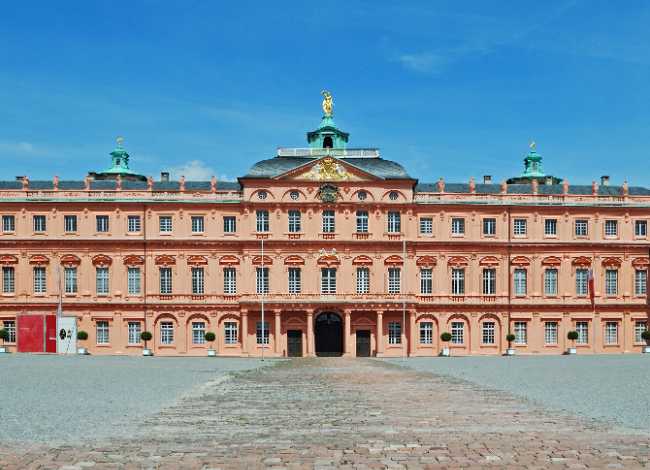
Rastatt Residential Palace is a magnificent eighteenth-century complex recognized as the oldest Baroque palace on the Upper Rhine. Constructed between 1700 and 1707 for Margrave Ludwig Wilhelm of Baden-Baden and his wife Sibylla Augusta. Location: Herrenstraße 18-20, 76437 Rastatt, Baden-Württemberg, Germany. It is located right at the edge of Rastatt town center, roughly twenty-two kilometers south of Karlsruhe and twelve kilometers north of Baden-Baden. Because of its central setting in Rastatt, visiting the palace puts you right in the middle of historic monuments, elegant gardens, and nearby royal retreats. Framing the rear of the residence is the formal Palace Garden (Schlossgarten), perfect for a quiet stroll. Just down the road in the center of town sits the historic Marktplatz, home to the Catholic Parish Church of St. Alexander and the Rastatt Town Museum. Nearby stand unique historic structures like the Pagodenburg tea house and the Maria Einsiedeln Chapel. A short drive away brings you to Schloss Favorite, a delightful Baroque summer palace surrounded by gardens, as well as the world-famous spa town of Baden-Baden with its thermal baths and cultural museums.
 Palace