Warsaw University Observatory
The Astronomical Observatory of the University of Warsaw is one of the most distinguished astronomical institutions in Poland, with a history spanning nearly two centuries. Founded in 1825, its historic building is a beautiful classical edifice located within the Botanical Garden of the University of Warsaw. While its original observation domes are now purely decorative, the institution's scientific work is anything but. Today, the observatory is a vibrant and highly respected research institute, leading or participating in a wide array of international projects. Its reputation is particularly strong in the field of modern astrophysics, where it operates two large-scale, long-term sky surveys: OGLE (Optical Gravitational Lensing Experiment) and ASAS (All-Sky Automated Survey). These groundbreaking projects have been instrumental in the discovery of exoplanets and in research on dark matter, gravitational microlensing, and variable stars. Although the main observatory building no longer hosts active telescopes for research, the institute maintains a northern station in Ostrowik for educational purposes and, more importantly, a southern observing station at the world-renowned Las Campanas Observatory in Chile.
Warsaw Poland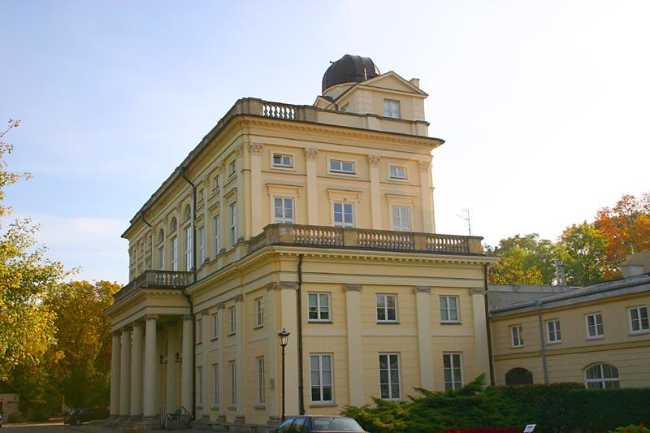
The Warsaw University Observatory is located at Aleje Ujazdowskie 4, situated between the beautiful Łazienki Park and the Warsaw Botanical Gardens in the heart of the city. This historic observatory, built in the early 19th century, is a fine example of classicist architecture and serves as a significant center for astronomical research and education in Poland. The building features elegant Ionic and Corinthian columns, large arched windows, and rooftops with domes and terraces, giving it both scientific function and architectural grandeur. Nearby, visitors can enjoy the lush greenery and cultural landmarks of Łazienki Park, including its famous Palace on the Isle, and explore the rich plant collections of the Botanical Gardens. The observatory itself remains active in astrophysical research, focusing on areas such as cosmology, stellar atmospheres, and galactic surveys. It plays a key role in international collaborations and houses renowned projects like the Optical Gravitational Lensing Experiment (OGLE). Its central location offers easy access to Warsaw’s urban amenities, blending scientific heritage with the city’s natural and cultural treasures.
 Museum
Warsaw Uprising Museum
Museum
Warsaw Uprising Museum
 Museum
National Museum in Warsaw
Museum
National Museum in Warsaw
 Museum
Fryderyk Chopin Museum
Museum
Fryderyk Chopin Museum
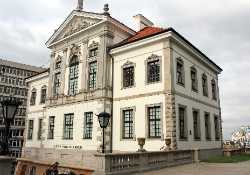 Museum
 of Modern Art
Museum
Museum of Modern Art
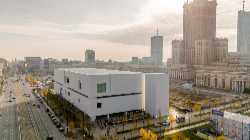 Museum
Neon Museum Warsaw
Museum
Neon Museum Warsaw
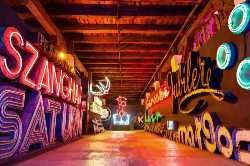 Museum
 of Warsaw
Museum
Museum of Warsaw
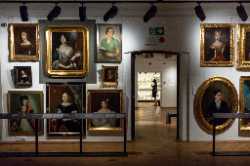 Museum
Pawiak Prison Museum
Museum
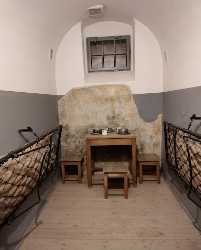
Pawiak Prison Museum
 Museum
Royal Castle in Warsaw
Museum
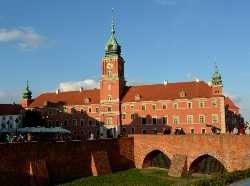
Royal Castle in Warsaw
 Castle
Wilanów Palace
Castle
Wilanów Palace
 Museum
Krasiński Palace
Museum
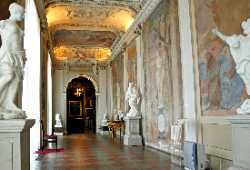
Krasiński Palace
 Castle
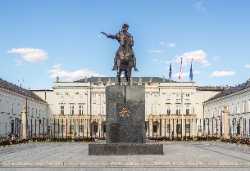
Presidential Palace Warsaw
Castle
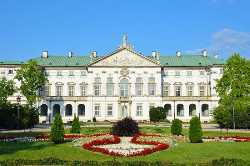
Presidential Palace Warsaw
 Castle
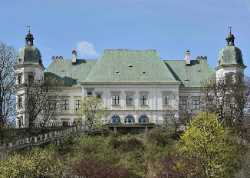
Ujazdów Castle
Castle
Ujazdów Castle
 Castle
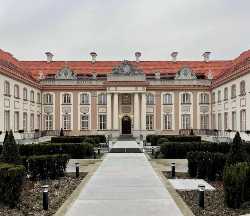
Branicki Palace
Castle
Branicki Palace
 Castle
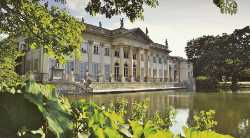
Łazienki Park
Castle
Łazienki Park
 Park
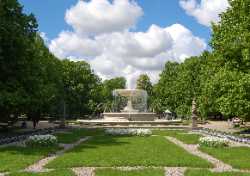
Saxon Garden
Park
Saxon Garden
 Park
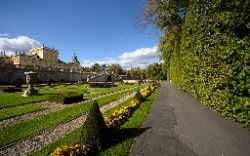
Wilanów Park
Park
Wilanów Park
 Park
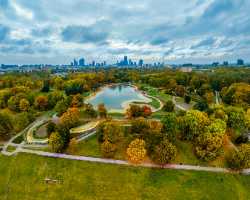
Mokotów Field
Park
Mokotów Field
 Park
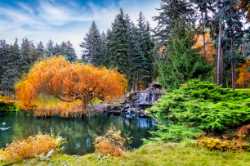
Skaryszewski Park
Park
Skaryszewski Park
 Park
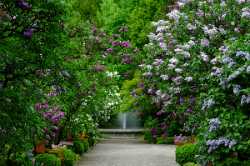
Botanical Garden of the University of Warsaw
Park
Botanical Garden of the University of Warsaw
 Park
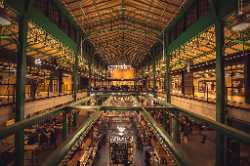
Hala Koszyki
Park
Hala Koszyki
 Market
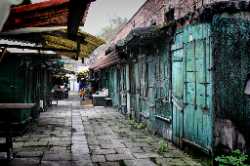
Bazar Różyckiego
Market
Bazar Różyckiego
 Market
BioBazar
Market
BioBazar
 Market
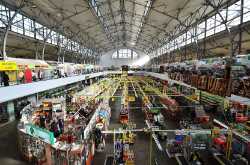
Hala Mirowska
Market
Hala Mirowska
 Market
Castle Square
Market
Castle Square
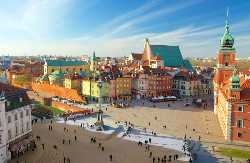 Market
Rynek Starego Miasta
Market
Rynek Starego Miasta
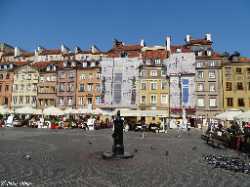 Market
Piłsudski Square
Market
Piłsudski Square
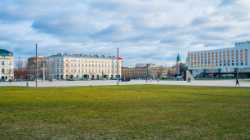 Square
Three Crosses Square
Square
Three Crosses Square
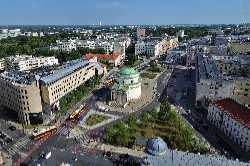 Square
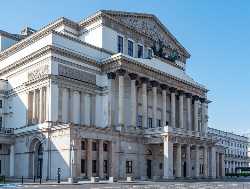
Grand Theatre
Square
Grand Theatre
 Theatre
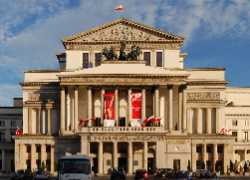
Warsaw National Theatre
Theatre
Warsaw National Theatre
 Theatre
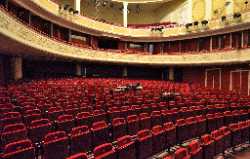
Teatr Polski
Theatre
Teatr Polski
 Theatre
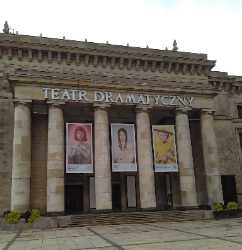
Dramatic Theatre
Theatre
Dramatic Theatre
 Theatre
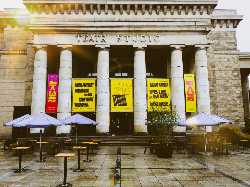
Studio Theatre
Theatre
Studio Theatre
 Theatre
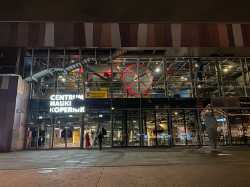
Copernicus Science Centre
Theatre
Copernicus Science Centre
 Theatre
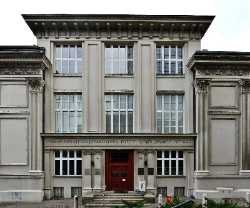
Jewish Historical Institute
Theatre
Jewish Historical Institute
 Museum
Katyń Museum
Museum
Katyń Museum
 Museum
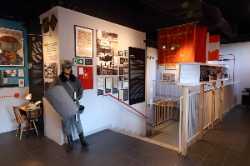
 of Life under Communism
Museum
Museum of Life under Communism
 Museum
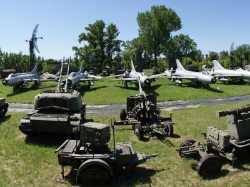
Polish Army Museum
Museum
Polish Army Museum
 Museum
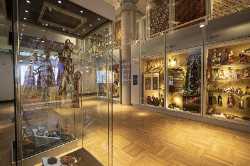
National Museum of Ethnography
Museum
National Museum of Ethnography
 Museum
 of Caricature
Museum
Museum of Caricature
 Museum
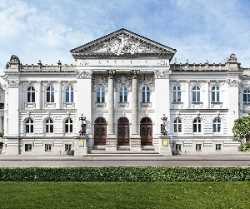
Zacheta
Museum
Zacheta
 Museum
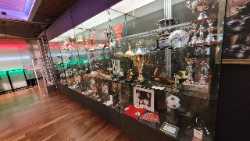
Legia Warsaw Museum
Museum
Legia Warsaw Museum
 Museum
Raster Gallery
Museum
Raster Gallery
 Gallery
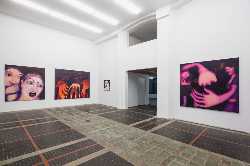
Foksal Gallery
Gallery
Foksal Gallery
 Gallery
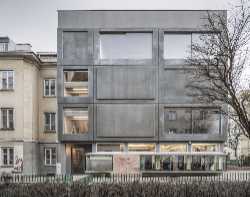
LETO Gallery
Gallery
LETO Gallery
 Gallery
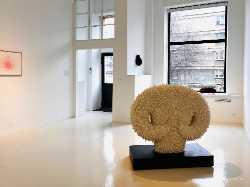
Polish Poster Gallery
Gallery
Polish Poster Gallery
 Gallery
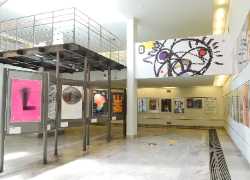
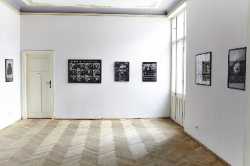
lokal_30
Gallery
lokal_30
 Gallery
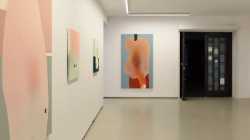
Monopol Gallery
Gallery
Monopol Gallery
 Gallery
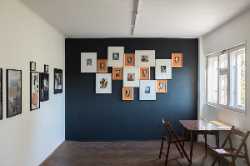
Galeria Asymetria
Gallery
Galeria Asymetria
 Gallery
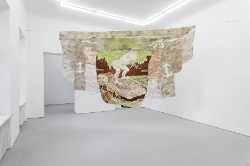
Wschód Gallery
Gallery
Wschód Gallery
 Gallery
Piktogram Gallery
Gallery
Piktogram Gallery
 Gallery
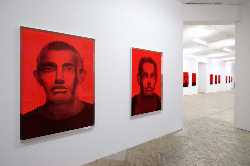
Polana Institute
Gallery
Polana Institute
 Gallery
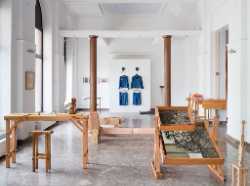
Salon Akademii
Gallery
Salon Akademii
 Gallery
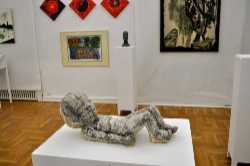
Galeria XX1
Gallery
Galeria XX1
 Gallery