Västerås Castle
Västerås Castle stands as a formidable witness to the power struggles and political transformations that shaped modern Sweden. Located at the mouth of the Svartån river, the castle’s history stretches back to the 13th century, beginning as a medieval fortress built to protect vital trade routes. Its most significant era began in the 1500s under King Gustav Vasa, when the fortress was transformed into a grand royal palace. It became the stage for the historic Riksdag of 1527, a pivotal meeting that initiated the Swedish Reformation and forever changed the nation’s religious and political landscape. The architecture today is a blend of rugged medieval foundations and refined 18th-century renovations following several devastating fires. Its characteristic red-brick walls and sturdy square tower remain iconic symbols of the city's heritage. Unlike many ancient structures, the castle remains a living part of the community. It serves as the official residence of the County Governor and houses the Västmanland County Museum, inviting visitors to walk through corridors once occupied by royalty and reformers. It remains a quiet, powerful guardian of the city's long legacy.
Västerås Sweden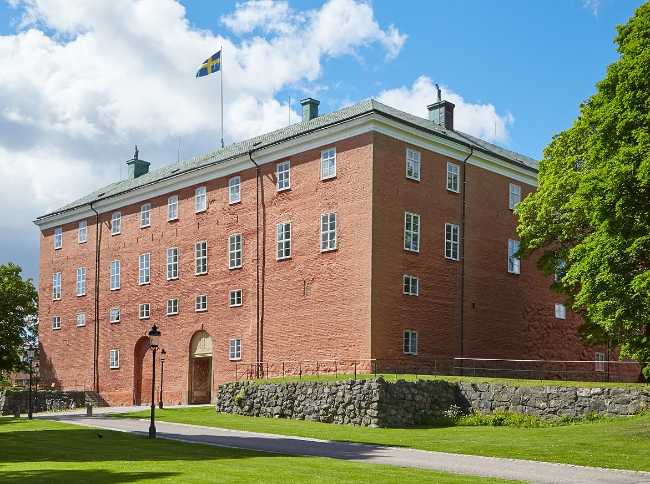
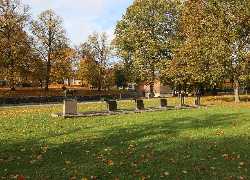
Västerås Castle stands in the heart of Västerås, at the mouth of the Svartån river where it flows into Lake Mälaren, on the western edge of the city centre near the old town quarter. It is easily reached on foot from Västerås Cathedral, the main square, and the central shopping streets, forming a key historic landmark in the core of the city. Nearby, visitors can enjoy a leafy park surrounding the castle grounds, making it a pleasant place for a short walk or picnic before or after exploring the small museum inside the redbrick palace. The old‑town district Kyrkbacken, with its well‑preserved 18th‑century wooden houses and narrow lanes, is just a short stroll away, offering a strong sense of Västerås as a historic church and market town. The river‑side promenade along Svartån, with cafés and viewpoints towards the cathedral and lake, lies close by, while central green spaces such as Stadsparken and Vasaparken are also within easy walking distance. The castle is also near cultural sites like Västmanlands Teater, the Turbine House, and the city hall area, so it fits naturally into a compact day‑trip route that combines architecture, history, and local culture in central Västerås.
 Museum
Västerås Konstmuseum
Museum
Västerås Konstmuseum
 Museum
Vallby Open Air Museum
Museum
Vallby Open Air Museum
 Museum
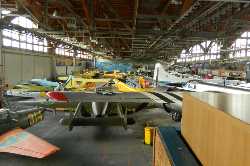
Västerås Flygmuseum
Museum
Västerås Flygmuseum
 Museum
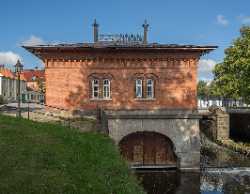
Turbine House
Museum
Turbine House
 Museum
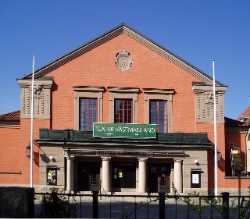
Västmanlands Teater
Museum
Västmanlands Teater
 Theatre
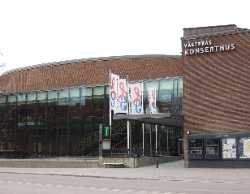
Västerås Konserthus
Theatre
Västerås Konserthus
 Theatre
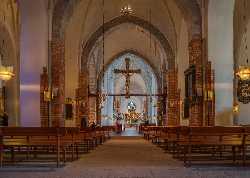
Västerås Cathedral
Theatre
Västerås Cathedral
 Cathedral
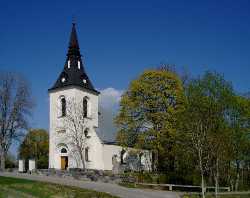
Skerike Church
Cathedral
Skerike Church
 Church
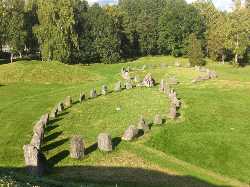
Anundshög
Church
Anundshög
 Historical Landmark
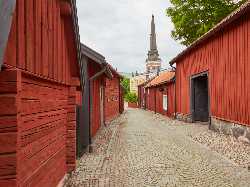
Kyrkbacken
Historical Landmark
Kyrkbacken
 Historical Landmark
Vasa Park
Historical Landmark
Vasa Park
 Park
Park