Canterbury Roman Museum
The Canterbury Roman Museum offers a rare journey beneath the modern city into the world of Roman Durovernum Cantiacorum. Its story began in 1868, when builders accidentally uncovered one of Britain’s finest Roman townhouses. Instead of covering the remains, the city chose to preserve them in situ, creating a museum literally built around history. The highlight is the beautifully restored mosaic pavement, still lying exactly where a wealthy Roman family once walked nearly 1,800 years ago. What makes the museum especially fascinating is how it blends archaeology with everyday life. Visitors can see original hypocaust heating systems, fragments of painted wall plaster, and household objects ranging from jewellery to gaming pieces. The reconstructed Roman marketplace offers an immersive look at trade and craftsmanship, while the collection of coins and pottery reveals Canterbury’s role as a thriving provincial centre. The museum also showcases artefacts damaged during the 1942 air raids—an unexpected link between ancient and modern destruction. Today, the Canterbury Roman Museum stands as a vivid reminder of the city’s deep roots and the layers of civilisation beneath its streets.
Canterbury United Kingdom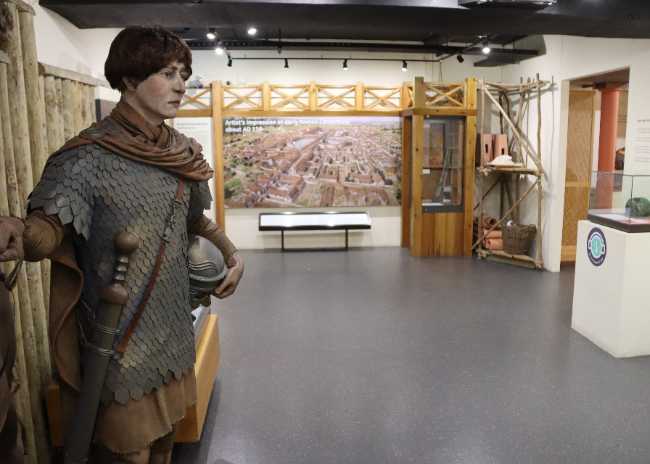
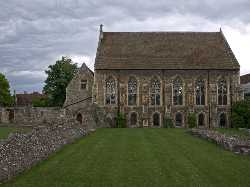
Hidden beneath the streets of Canterbury’s city center, the Canterbury Roman Museum reveals the everyday life of Roman Britain. You’ll find it on Butchery Lane, right in the medieval core of the city, built around the remains of a Roman townhouse with original mosaic floors still in place. The museum walks you through reconstructed Roman rooms, market stalls, and workshops, using artifacts like pottery, tools, jewelry, and even traces of a hypocaust heating system to show how people lived nearly 2,000 years ago. The atmosphere is immersive, with soundscapes and lighting that bring Roman Canterbury, or Durovernum, back to life. Step outside and Canterbury’s historic landmarks are all within a short walk. The magnificent Canterbury Cathedral, a UNESCO World Heritage Site and seat of the Archbishop, dominates the skyline just minutes away. The narrow lanes of the King’s Mile are lined with timber-framed buildings, independent shops, and cafes. Nearby you can explore the ruins of St Augustine’s Abbey and St Martin’s Church, which together with the cathedral form the city’s World Heritage trio. The River Stour winds through town, offering boat tours past medieval walls and gardens. From Roman mosaics to Gothic spires, the museum sits at the center of Canterbury’s layered history, making it an ideal starting point for discovering the city’s past and present.
 Abbey
Abbey
 Castle
 Museum
 Museum