The Museum of English Rural Life
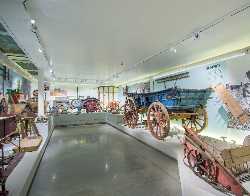
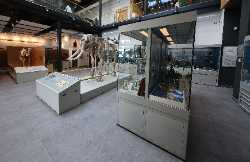
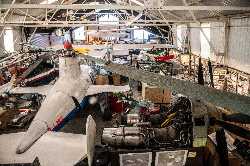
The Museum of English Rural Life (MERL) in Reading is one of Britain’s most distinctive heritage museums, founded in 1951 to preserve the fast‑changing world of agriculture and rural traditions. Created at a time when mechanisation was rapidly transforming the countryside, MERL set out to document the tools, crafts, and stories that had shaped English farming for centuries. Its collection is exceptionally rich: horse‑drawn wagons, early tractors, hand‑forged tools, rural textiles, and objects linked to crafts such as wheel‑making, thatching, and dairying. One of the museum’s most interesting features is its thematic gallery layout, which guides visitors through ideas like “food,” “land,” and “work,” showing how rural life evolved socially as well as technologically. MERL also holds a vast archive of photographs, diaries, and personal papers, offering intimate glimpses into seasonal labour, village customs, and the everyday realities of rural families. In recent years, the museum has become unexpectedly famous for its witty, characterful social‑media presence, which has introduced a new audience to the charm of agricultural history. Surrounded by gardens planted with heritage crops and native species, MERL remains a lively, thoughtful tribute to the English countryside.
Reading United Kingdom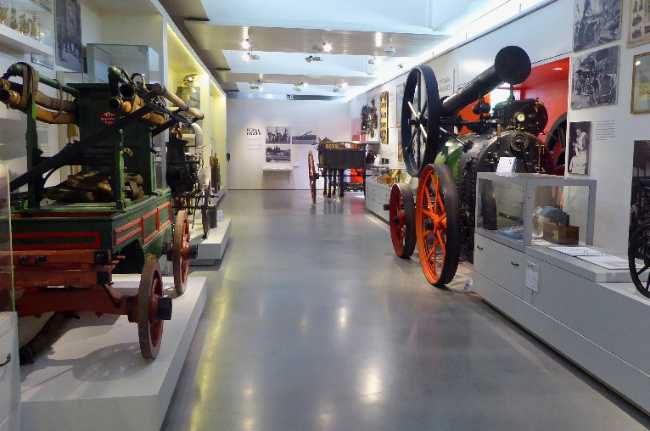
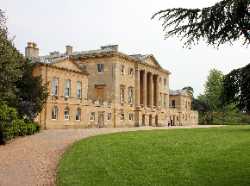
The Museum of English Rural Life, known as The MERL, is located on Redlands Road in central Reading. It’s part of the University of Reading and sits just a short walk from Reading station and the town centre. Housed in a beautifully restored Victorian building with a modern extension, the museum is free to enter. The MERL explores the history of farming, food, and the countryside in England from the 1750s to today. Its collection includes tractors, wagons, tools, photographs, and archives that bring rural life to the present. Thoughtful displays cover everything from land and labor to food production and folk traditions. The garden offers a calm green space with seasonal planting and outdoor exhibits. Right nearby is Reading town centre with Reading Museum, home to the Bayeux Tapestry copy, and the Reading Abbey Ruins in Forbury Gardens. The River Kennet and Kennet and Avon Canal run through town, with pleasant towpath walks to the Oracle shopping and dining area. Also close are the Maiwand Lion statue, St Laurence’s Church, and the Hexagon theatre. A short trip takes you to Basildon Park, a National Trust house, or Mapledurham House and Watermill on the Thames. The MERL is a fascinating, family-friendly stop that connects Reading’s urban centre with England’s farming past.
 Mansion
 Museum
 Museum
 Museum
 Museum