Museum of the Una-Sana Canton
The Museum of the Una‑Sana Canton in Bihać is a compact but richly layered institution that traces the cultural, archaeological and ethnographic heritage of north‑western Bosnia. Set in a historic building near the city centre, it offers visitors a clear narrative of how the region developed—from prehistoric settlements along the Una River to the diverse communities that shaped Bihać in the medieval and Ottoman periods. One of the most interesting facts is the museum’s strong archaeological collection. Stone tools, pottery fragments and jewellery from ancient riverbank settlements show how early communities relied on the Una’s resources. Medieval exhibits include weapons, coins and carved stone slabs that illustrate Bihać’s role as a fortified town on important trade and military routes. Inside, the ethnographic section is a highlight. Traditional clothing from the Krajina region—embroidered dresses, woollen garments and ornate belts—reveals the area’s distinctive craftsmanship. Household items such as wooden chests, copper cookware and weaving tools offer a glimpse into everyday life before industrialisation.
Bihać Bosnia and Herzegovina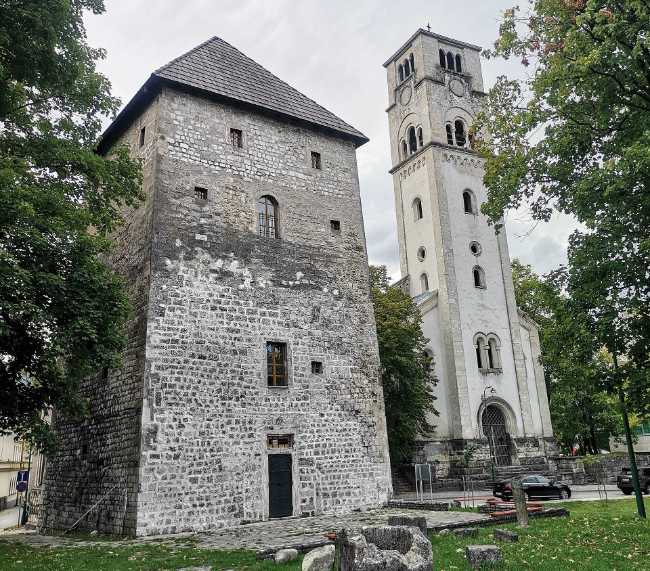
The museum is located at Kapetanova 1, Bihać 77000, Bosnia and Herzegovina. It is positioned perfectly right in the core of Bihać's historic old town district, just a short walk from the riverbanks. Because the museum sits right in the compact heart of the city, you can easily explore all of Bihać’s most famous tourist attractions on foot within a few minutes. Literally just a few steps away from the museum entrance stands the Captain's Tower, a striking medieval stone fortress tower that once formed part of the town's old defensive castle walls. Right next to it, you can view the historic AVNOJ Museum, which commemorates crucial World War II regional history. Walking slightly further down the street leads you to the unique Fethija Mosque, a stunning piece of architecture that was originally built as a Gothic Catholic church in the thirteenth century before being converted into a mosque during the Ottoman era. A brief, pleasant stroll toward the rushing, emerald-green waters of the Una River brings you to the peaceful City Park and the scenic walkways that bridge the local islands.
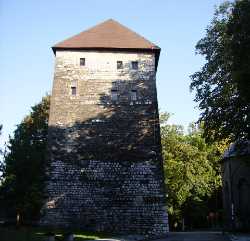 Museum
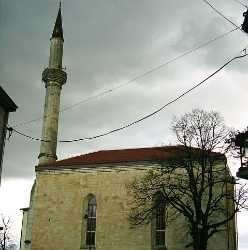 Mosque
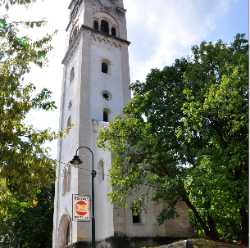 Church