Church of Saint Anthony of Padua
Church of Saint Anthony of Padua is one of Bihać’s most graceful modern landmarks, built in the early 20th century after the old medieval church on the same site was converted into today’s Fethija Mosque. Its design blends Neo‑Gothic and early 20th‑century Bosnian styles, giving the building a light, vertical elegance that contrasts with the city’s older fortifications. Inside, the church feels surprisingly spacious. The tall nave is lined with slender columns and pointed arches that draw the eye toward the bright main altar, decorated with a statue of Saint Anthony—patron of lost things and travellers, a fitting figure for a frontier town like Bihać. The stained‑glass windows are among its most charming features, casting soft colour across the interior; look for the panels depicting Franciscan saints, created by regional artisans in the 1930s. Another interesting detail is the church’s organ, a compact instrument installed after World War II, still used during services and concerts. The side chapel, dedicated to the Virgin Mary, holds delicate votive offerings left by locals, giving the space a quiet, personal atmosphere.
Bihać Bosnia and Herzegovina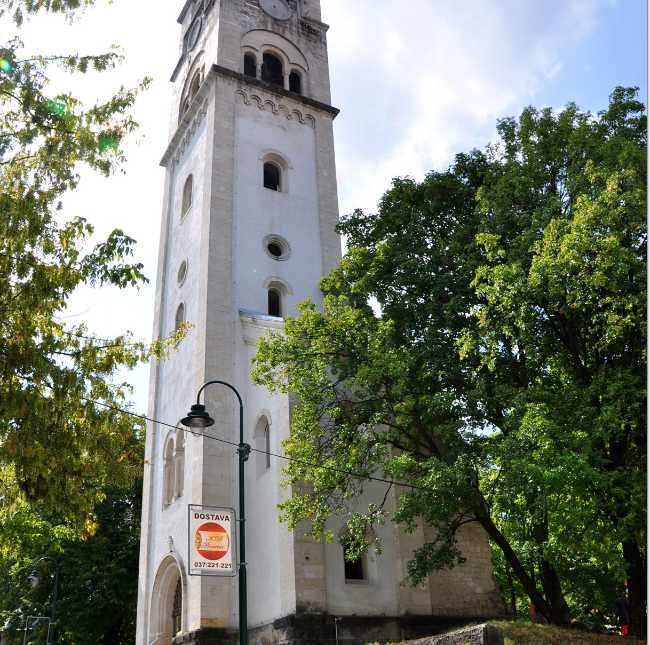
The site is located at Fra Joze Valentića 2, Bihać 77000, Bosnia and Herzegovina. It sits right in the historic center of town, just steps away from the peaceful banks of the Una River.Because of its central placement, you can easily reach all of Bihać’s main tourist attractions on foot within minutes. Right across the street stands the historic Captain's Tower, a medieval stone fortress tower that houses the Museum of the Una-Sana Canton with its rich archaeological collection. A very short stroll brings you to the Fethija Mosque, a fascinating architectural site that was originally built as a thirteenth-century Gothic Catholic church. Walking toward the riverbanks leads you straight to the serene City Park and scenic wooden footbridges that connect the emerald river islands.
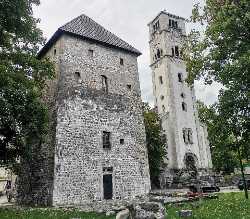 Museum
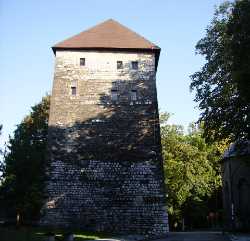 Museum
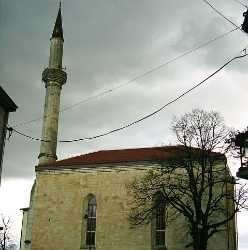 Mosque