Peja Hammam
Peja Hammam is one of the city’s most atmospheric Ottoman‑era monuments, a bathhouse that once served as a social and cultural hub for the community. Built in the 16th century, it reflects the classic design of Balkan hammams, where bathing was not only a ritual of cleanliness but also a place for conversation, relaxation, and celebration. Its thick stone walls and domed roofs were engineered to retain heat, creating the perfect environment for steam rooms and warm pools. Inside, visitors can explore the sequence of traditional spaces: the cold room where guests first gathered, the warm room used for acclimatization, and the hot chamber where the main bathing ritual took place. One of the most interesting features is the star‑shaped openings in the domes, designed to let in soft daylight while keeping the interior private. The marble basins and carved niches, though worn by time, still hint at the elegance of the original bathhouse. The hammam also preserves traces of its heating system, including the hypocaust channels that once carried hot air beneath the floors.
Peja Kosovo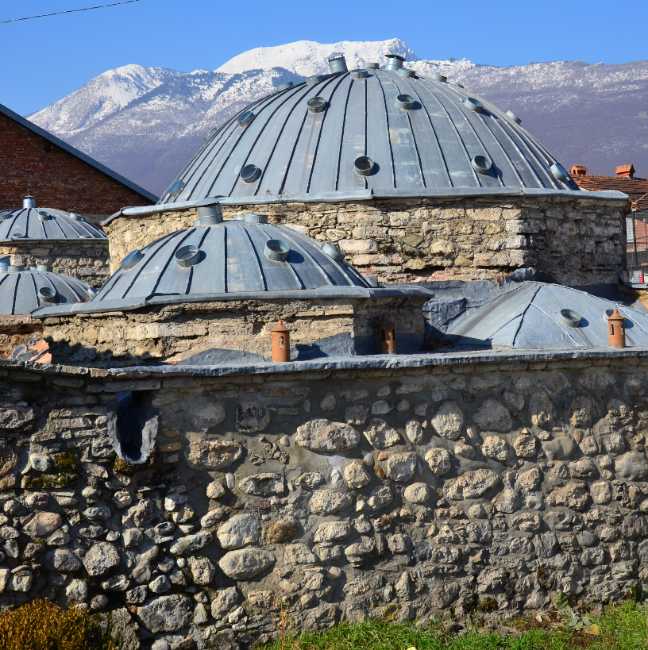
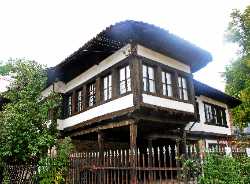
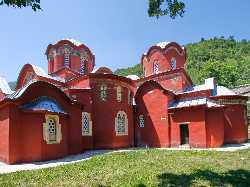
The Peja Hammam, also known as the Haxhi Beu Hammam or Old Bath, sits in the historic centre of Peja near the Old Bazaar. You’ll find it along the streets of the old town, close to the main squares and traditional buildings that make up the city’s Ottoman core. Just nearby is the Bajrakli Mosque and the lively Old Bazaar with its shops and atmosphere. A short walk brings you to the Museum of Peja on Haxhi Zeka Square, housed in the old Konak of Tahir Bey. Other historic spots like traditional tower houses and the main city squares are also close by in the same compact area.A little further out you’ll reach the Patriarchate of Peć at the edge of town, while the dramatic Rugova Canyon and the mountains begin just beyond. Everything in the centre connects on foot, so after visiting the hammam you can simply continue exploring Peja’s old streets and nearby landmarks at a relaxed pace.
 Museum
 Monastery