Ethnographic Museum of Lezhë
The Ethnographic Museum of Lezhë is one of the city’s most charming cultural stops, housed in a traditional 19th‑century residence that preserves the atmosphere of northern Albanian life. Its stone walls, wooden balconies, and inner courtyard already feel like an exhibit, offering a glimpse into how families once lived before modern urbanization reshaped Lezhë. Inside, the museum unfolds room by room, each dedicated to a different aspect of daily tradition. The most captivating section is the display of folk costumes, richly embroidered with geometric motifs and vibrant colors. These garments reveal social status, regional identity, and even marital symbolism. Nearby, you’ll find household objects—loom parts, carved chests, copper cookware—that show how homes were organized around craftsmanship and communal life. A highlight is the weapons and ceremonial items room. Traditional rifles, ornate daggers, and silver‑worked belts illustrate the region’s historic codes of honor and celebration. The museum also preserves musical instruments such as the çifteli, connecting visitors to Albania’s storytelling traditions.
Lezhë Albania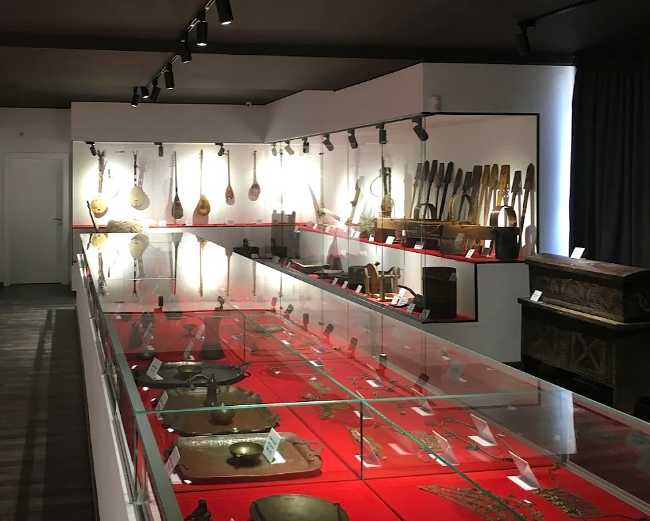
The Ethnographic Museum of Lezhë sits inside the Palace of Culture on Skanderbeg Square, right in the centre of Lezhë. You’ll find it on Sheshi Gjergj Kastrioti, an easy spot to reach while walking through the main square of the town. Once you’re there, several of the city’s key sights are only a short stroll away. The Skanderbeg Memorial, the mausoleum of Albania’s national hero, stands nearby on the same central square. Just beyond it lie the ruins of ancient Lissus, the old city that once stood here. Higher up the hill, Lezhë Castle offers wide views over the town, the river and the surrounding landscape. Everything is close enough that you can move from the ethnographic displays to the memorial, the ancient remains or the castle without any rush, taking in the different layers of Lezhë’s past.
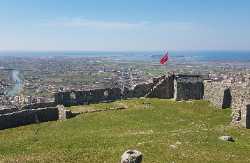 Castle
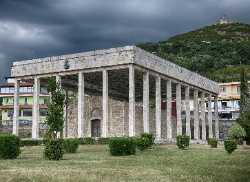 Historical Landmark
 Cathedral
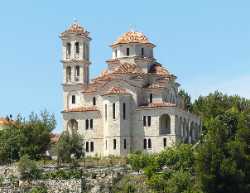 Church
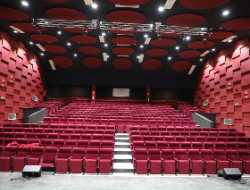 Theatre