Konaku Palloshi – Local History Museum
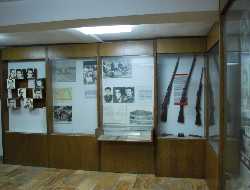
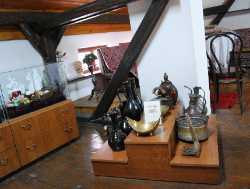
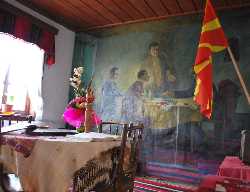
Konaku Palloshi, housed in one of Tetovo’s oldest surviving Ottoman-era residences, offers an intimate journey into the city’s layered past. The museum occupies a traditional konak once owned by the Palloshi family, preserving the architectural character of 19th‑century Tetovo: carved wooden ceilings, stone foundations, and a central hall designed for family gatherings and official visits. Inside, visitors find a curated collection that traces Tetovo’s cultural evolution. The ethnographic rooms display everyday objects—embroidered textiles, copperware, and handcrafted furniture—that reveal how local families lived, celebrated, and worked. One of the most intriguing pieces is the traditional bridal chest, decorated with regional motifs and used to store dowries. The museum also keeps rare photographs documenting Tetovo’s transformation from a small Ottoman town into a modern urban centre. A highlight is the room dedicated to local craftsmanship, showcasing tools used by Tetovo’s blacksmiths, tailors, and woodcarvers. These objects illustrate the city’s reputation as a hub of skilled artisans. Visitors can also explore exhibits on regional costumes, each reflecting distinct social and religious identities.
Tetovo North Macedonia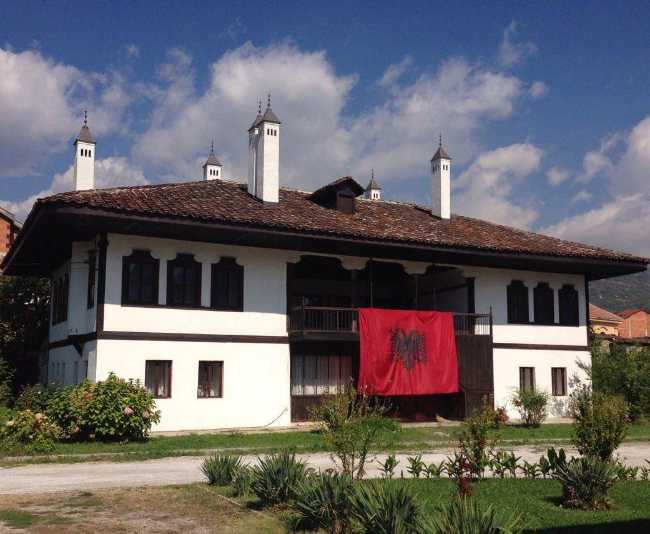
Konaku Palloshi, also known as the Mehmed Bey Mansion, sits right in the heart of Tetovo in North Macedonia. This old Ottoman-era house from the first half of the nineteenth century belonged to the well-known Palloshi family and still carries the quiet dignity of a traditional urban residence. You will find it in the central part of town, forming part of a small historic cluster beside the river. Just a short stroll away stands the famous Painted Mosque, one of the most colourful and unusual mosques in the whole region, with its vivid floral decorations covering walls inside and out. Across the water sits the old Čifte Hamam, the double bathhouse that has been turned into an art gallery. The stone bridge known as the Pasha’s Bridge links the two sides and completes the little ensemble of monuments that once defined the old town centre. A bit further but still easy to reach on foot or by a quick taxi ride is the Arabati Baba Tekke, the beautifully preserved Bektashi dervish complex that feels almost like a peaceful village of its own. Up on the hill above the city the ruins of Tetovo Fortress, or Kale, offer wide views over the Polog valley and the Šar mountains. The Museum of the Tetovo Region, housed in a traditional house, is also nearby if you want to dig a little deeper into local history and everyday life from earlier times.
 Museum
 Museum
 Museum
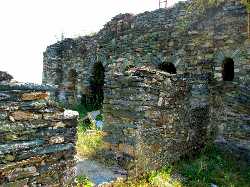 Fortress
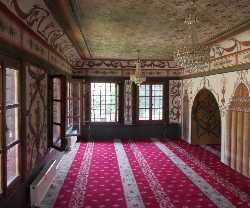 Mosque
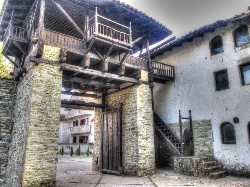 Historical Landmark
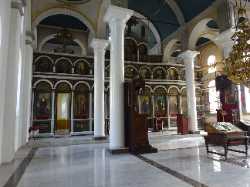 Church