Powderham Castle
Powderham Castle, overlooking the Exe Estuary near Exeter, is one of Devon’s most atmospheric historic homes, lived in by the Courtenay family for over six centuries. Though fortified in appearance, it is not a true medieval castle but a grand country house that has grown through layers of architectural change—from its 14th‑century core to Georgian elegance and Victorian embellishment. This blend gives Powderham a distinctive character: part romantic fortress, part stately home. Inside, visitors can explore richly furnished state rooms including the Marble Hall, with its dramatic double staircase, and the Music Room, decorated with gilded plasterwork and portraits of the Courtenays. The Library and Dining Room reveal the family’s long lineage, while the Victorian kitchens and servants’ quarters offer a glimpse into life “below stairs.” One of the most charming features is the secret door disguised as a bookcase, a playful detail that delights guests. The castle grounds are equally memorable. The Deer Park, established in the 1720s, is home to a large herd of fallow deer, often seen grazing against sweeping views of the estuary. Woodland walks, walled gardens and the Belvedere Tower add to the experience, while seasonal events—from jousting displays to open‑air concerts—bring the estate to life.
Exeter United Kingdom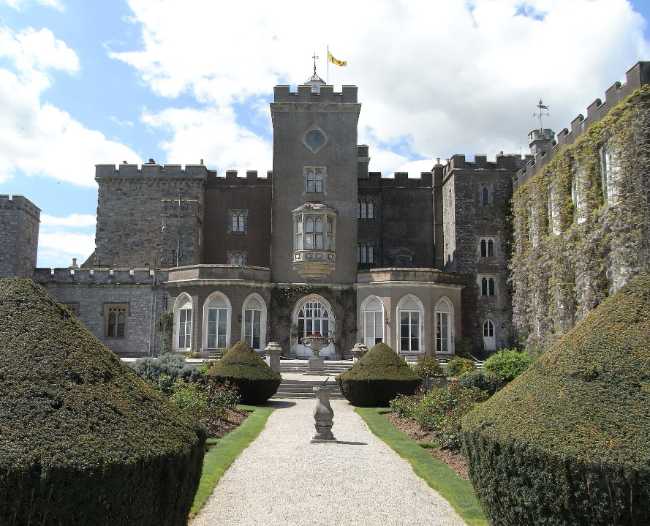
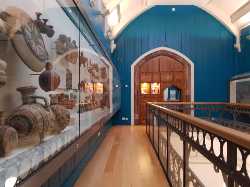
Powderham Castle is a magnificent fortified manor house located alongside the scenic Exe Estuary in Devon, England. The official address is Powderham Castle, Kenton, Exeter, Devon, EX6 8JQ, United Kingdom. Originally built in the late fourteenth century, this stunning estate has been the ancestral home of the Courtenay family, the Earls of Devon, for centuries. The castle features lavish historic state rooms, grand secret doors, and impressive collections of art and tapestries. Surrounding the building is an extensive deer park where hundreds of fallow deer roam, along with peaceful gardens offering tranquil views across the water. Visitors exploring the region will find many other wonderful attractions nearby. Just a short journey to the west sits Dartmoor National Park, famous for its wild heather moorland and Castle Drogo, a striking twentieth-century granite fortress designed by Sir Edwin Lutyens. Heading inland toward the city of Exeter brings you to Exeter Cathedral, a breathtaking medieval cathedral boasting the longest uninterrupted Gothic vaulted ceiling in the world. While in the city, history enthusiasts can visit the Royal Albert Memorial Museum and Art Gallery, which holds fascinating exhibits spanning local archaeology, natural history, and world cultures. Across the estuary, you can explore the coastal town of Exmouth or travel slightly south to the seaside town of Dawlish Warren, known for its sandy beaches and nature reserve.
 Museum