Poole Museum
Poole Museum is one of Dorset’s most engaging heritage centres, set within a historic quayside warehouse that reflects the town’s long maritime story. Currently undergoing major redevelopment, it remains known for its rich collections that trace Poole’s evolution from a medieval port to a modern coastal community shaped by trade, fishing, and shipbuilding. Its most remarkable treasure is the Poole Logboat, a 2,000‑year‑old Iron Age vessel discovered in the harbour mud. This extraordinary survival offers a direct link to ancient seafarers and is one of the finest prehistoric boats in Britain. The museum also explores Poole’s role in the medieval wool trade, with artefacts that reveal how the town prospered through international commerce. Inside, visitors can discover ceramics from the famous Poole Pottery, including colourful mid‑20th‑century designs that became icons of British studio pottery. Exhibits on local life feature everything from fishing tools to domestic objects, painting a vivid picture of how the town’s people lived and worked across the centuries. The museum’s galleries also highlight Poole’s artistic heritage, with paintings, maps, and maritime scenes that capture the character of the harbour. Family‑friendly displays and interactive elements make it an inviting stop for all ages, offering a layered portrait of a town shaped by the sea.
Poole United Kingdom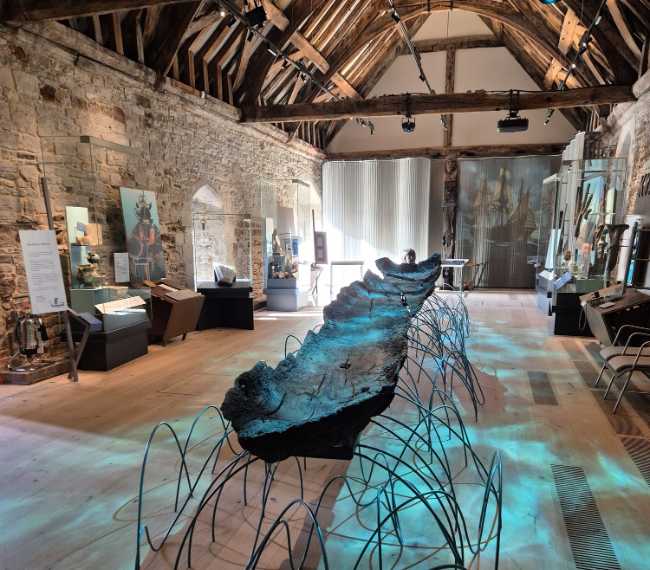
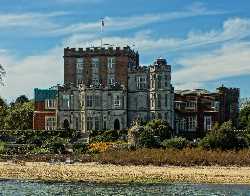
Poole Museum is located in the heart of the historic Old Town quarter in Poole, Dorset. Its official address is 4 High Street, Poole, Dorset, BH15 1BW. Set inside a converted 19th-century flour mill right near the quayside, the museum displays regional history, maritime heritage, archaeological finds, and famous Poole Pottery ceramics, with the medieval Scaplen’s Court Museum and Garden sitting right next door. The surrounding town and harbor area offer a wide range of historic landmarks and attractions within easy reach. A short walk along the waterfront brings you to Poole Quay, where historic warehouses, pubs, and historic shipping heritage overlook the bustling harbor. From the quay, visitors can catch a short passenger ferry across to Brownsea Island to visit Brownsea Castle, an ancient coastal fort built by King Henry VIII, along with the island's famous red squirrel nature reserve.A brief journey west across the bay leads to the picturesque Isle of Purbeck, home to the dramatic ruins of Corfe Castle perched high in the hills. Heading north into the countryside brings you to Kingston Lacy, a grand National Trust estate featuring a lavish seventeenth-century Italianate mansion filled with fine art and surrounded by extensive formal gardens. For those interested in coastal defence history, a short drive west along the Dorset coastline takes you to Nothe Fort and Sandsfoot Castle in Weymouth.
 Castle