Oriental Museum
The Oriental Museum in County Durham is one of Britain’s most focused collections dedicated entirely to the cultures of Asia, the Middle East, and North Africa. Founded in the 1960s to support Durham University’s growing expertise in these regions, it has since become a treasure house of archaeology, art, and everyday objects spanning thousands of years. Inside, one of the most compelling galleries is the Ancient Egypt collection, featuring mummies, funerary masks, and beautifully painted coffins. The museum also holds significant Chinese ceramics, including rare pieces from the Tang and Ming dynasties, which illustrate the evolution of imperial craftsmanship. Its Japanese gallery showcases samurai armour, lacquerware, and delicate netsuke carvings. A highlight for many visitors is the South Asian collection, with vibrant textiles, Hindu sculpture, and objects linked to daily life across the subcontinent. The museum’s Middle Eastern holdings include cuneiform tablets, Islamic calligraphy, and pottery from early trading cities. What makes the Oriental Museum especially engaging is its emphasis on storytelling: objects are presented not just as artefacts but as windows into belief systems, trade routes, artistic traditions, and cultural exchange.
Durham United Kingdom
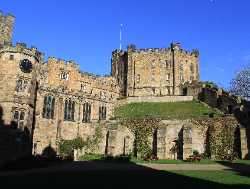
The Oriental Museum is situated in the historic city of Durham in County Durham, North East England. Devoted entirely to Asian and North African art and archaeology, this unique university museum rests on the southern side of the city center. Its full street address for visiting is Elvet Hill, Durham, County Durham, DH1 3TH. Because of its central university location, you are in a great spot to explore a wonderful variety of nearby attractions. Just a short walk down the road brings you to the Durham University Botanic Garden, a peaceful sprawling space filled with global plant collections and art installations. A quick stroll towards the heart of the city leads to Palace Green, home to the Museum of Archaeology, Palace Green Library, and the World Heritage Site Visitor Centre. The biggest landmarks sit just beyond the river, where you can marvel at the magnificent Durham Cathedral and the historic Durham Castle, which together form a famous UNESCO World Heritage Site. Other nearby spots worth visiting include Crook Hall and Gardens, the medieval ruins of Finchale Priory slightly further north, or the scenic woodland trails at Low Burnhall for a quiet nature walk.
 Castle