John Moore Museum
The John Moore Museum in Tewkesbury is a quietly fascinating trio of heritage buildings dedicated to the natural world, rural crafts and local history. Founded in 1980 to honour John Moore, the celebrated nature writer born in the town, it offers an intimate look at the wildlife and traditional life of Gloucestershire. One of its most interesting facts is that the museum sits directly beside two remarkable historic structures: the Merchant’s House and the Tewkesbury Baptist Chapel, both preserved as part of the museum experience. Inside the main museum, visitors find an extensive collection of taxidermy, fossils, insects and birds, reflecting Moore’s passion for British wildlife. These displays are arranged to show habitats and behaviours, giving a naturalist’s view of the countryside. The Merchant’s House, a beautifully restored 15th‑century timber‑framed home, is a highlight. Its rooms recreate late medieval domestic life with authentic furniture, tools and everyday objects, offering a rare glimpse into how townspeople lived more than 500 years ago. The Baptist Chapel, dating from 1720, adds another layer of history. Its simple interior, original pews and atmospheric gallery reveal the story of early nonconformist worship in Tewkesbury.
Tewkesbury United Kingdom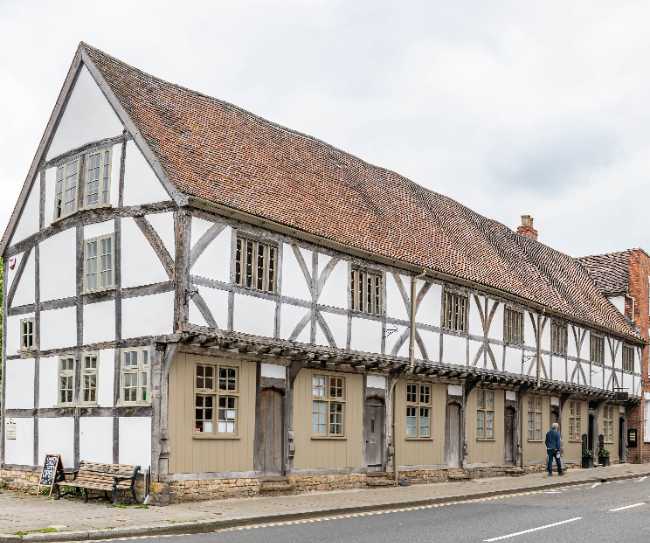
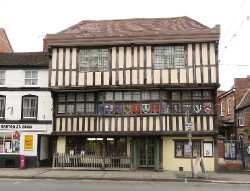
The John Moore Museum is located at 41-42 Church Street, Tewkesbury, Gloucestershire GL20 5SN, in a row of historic timber-framed buildings right beside Tewkesbury Abbey. Named after the local writer and naturalist, it focuses on the countryside and wildlife of the area with displays of native birds and mammals, alongside the restored Merchant’s House and the Old Baptist Chapel nearby. Tewkesbury Abbey itself is just a few steps away and is one of the finest Norman churches in England. The town is full of medieval alleyways and black-and-white buildings that are a pleasure to wander through. You can also visit the Tewkesbury Museum for more local history, stroll across to the Severn Ham riverside meadows, or follow the Battle Trail that marks the site of the important 1471 battle during the Wars of the Roses.
 Museum