Tewkesbury Borough Museum
Tewkesbury Borough Museum is a small but wonderfully characterful museum that captures the long, layered history of one of Gloucestershire’s most picturesque towns. Housed in a 17th‑century timber‑framed building on Barton Street, it is itself an artefact: sloping floors, exposed beams and creaking staircases give visitors an immediate sense of Tewkesbury’s past. One of its most interesting facts is that the building once served as a hat shop, and traces of its former trade can still be spotted in its structure. Inside, the museum presents a compact but engaging collection that spans archaeology, social history and local industry. The Roman and medieval finds reveal Tewkesbury’s early development, including pottery, tools and everyday objects uncovered around the town. The Battle of Tewkesbury—a decisive clash in the Wars of the Roses—is explored through maps, replicas and interpretive displays that explain how the 1471 conflict shaped the town’s identity. The museum also highlights Tewkesbury’s traditional crafts, from rope‑making to milling, with tools and photographs that bring these trades to life. A charming section on local life features toys, domestic items and personal stories from residents, offering a warm, human portrait of the community.
Tewkesbury United Kingdom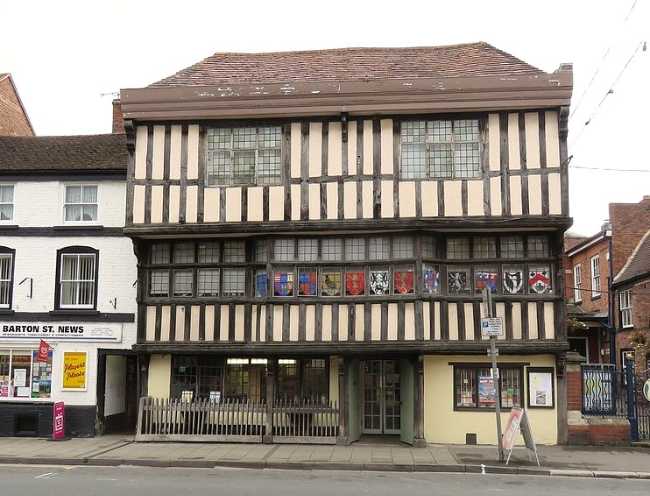
Tewkesbury Borough Museum, also known as Tewkesbury Museum, is located at 64 Barton Street, Tewkesbury, Gloucestershire GL20 5PX. Housed in a handsome seventeenth-century timber-framed building, this small independent museum tells the story of the town through Roman finds, a detailed diorama of the Battle of Tewkesbury, local characters such as Antarctic explorer Raymond Priestley, and even a charming model fairground. Just a short walk away stands the magnificent Tewkesbury Abbey, one of the finest Norman churches in England. Nearby you will also find the John Moore Museum with its countryside collections, the restored Merchant’s House and the Old Baptist Chapel. The town itself is a delight to explore with its network of medieval alleyways, and you can follow the Battle Trail that marks the site of the important 1471 battle during the Wars of the Roses.
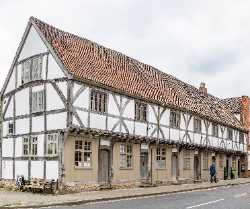 Museum