Southsea Castle
Southsea Castle, perched on Portsmouth’s seafront, is one of Hampshire’s most engaging Tudor fortresses. Built in 1544 as part of Henry VIII’s coastal defence network, it famously witnessed the sinking of the Mary Rose, which the king watched from nearby. Its strategic position allowed cannons to command the Solent, protecting the vital naval base at Portsmouth. Inside, visitors can explore the central keep, with its thick stone walls, gun embrasures and narrow passages that reveal the castle’s original military purpose. The ramparts are a highlight, offering sweeping views across the Solent and the Isle of Wight—once used to spot enemy ships, now perfect for watching modern vessels and coastal activity. The castle’s later history adds further interest. During the 19th century it was modernised with new gun batteries and barracks, parts of which remain visible. Exhibits explain how Southsea adapted to changing warfare, from Tudor cannons to Victorian artillery.
Portsmouth United Kingdom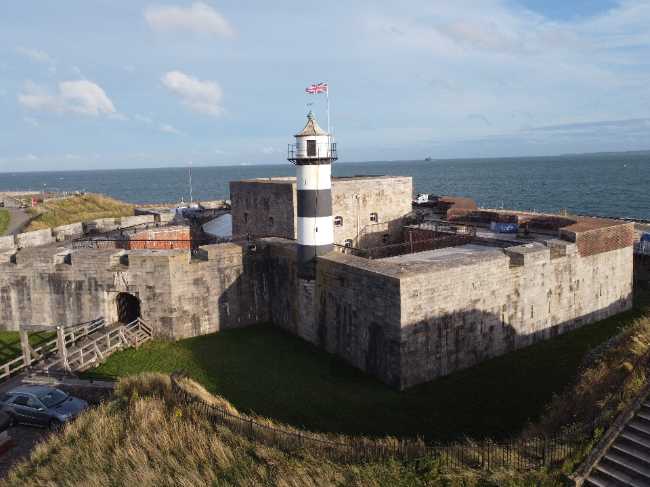
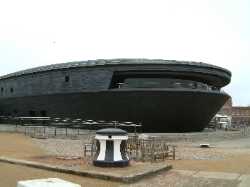
Southsea Castle sits right on the seafront in Southsea, part of Portsmouth in Hampshire. You’ll find it on Clarence Esplanade, Southsea, Portsmouth, PO5 3PA, looking out across the Solent towards the Isle of Wight. Built by Henry VIII, it stands in a great spot for views over the water and the busy shipping lanes. Just a short stroll along the promenade brings you to The D-Day Story, a museum dedicated to the Normandy landings with its own landing craft and the impressive Overlord Embroidery. A little further along the waterfront is the Spinnaker Tower, offering sweeping views from high above Gunwharf Quays. Portsmouth Historic Dockyard is also close by, home to HMS Victory, the Mary Rose and other famous ships. The long Southsea seafront itself is perfect for a walk, with beaches, gardens and plenty of places to stop for a coffee. Everything feels connected by the promenade, so you can easily combine the castle with the D-Day museum, the tower and a relaxed day by the sea.
 Museum
 Museum
 Museum