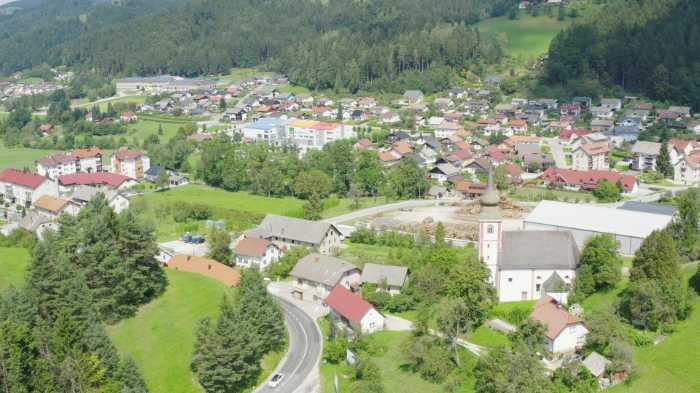
Slovenj Gradec
Slovenj Gradec is a historic town in northern Slovenia, located in the picturesque Mislinja Valley beneath the Pohorje Mountains. Known for its well-preserved medieval center and rich cultural heritage, the town has long been an important administrative and commercial hub of the Koroška region. Its history dates back to the Middle Ages, and today it remains one of Slovenia's most attractive small historic towns. At the heart of Slovenj Gradec stands the Church of St. Elizabeth, a remarkable Gothic parish church that dominates the old town skyline. The church is one of the most important religious monuments in the region and reflects the town's long ecclesiastical tradition. Nearby, visitors can admire the Church of the Holy Spirit, another historic landmark renowned for its medieval frescoes and architectural significance. The town is also home to several museums that preserve and present its cultural history. The Koroška Regional Museum is the principal museum institution, showcasing archaeology, ethnology, local history, and artistic heritage from across the Koroška region. Within its collections, visitors can explore the Museum of Hugo Wolf, dedicated to the famous composer Hugo Wolf, who was born in Slovenj Gradec in 1860. Another notable cultural venue is the Birth House of Hugo Wolf, which functions as a museum and memorial site celebrating the composer's life and achievements. Although Slovenj Gradec does not possess a large castle within the town center, nearby Rotenturn Manor is an important historic residence associated with the area's aristocratic past. The manor and its surroundings contribute to the town's architectural heritage and cultural identity. Among the most recognizable landmarks is Glavni Trg, the historic main square lined with colorful medieval and Renaissance buildings. Walking through the square allows visitors to experience the atmosphere of a town that has preserved much of its historic character. Another significant landmark is the Venetian Horse monument, symbolizing Slovenj Gradec's role as a messenger of peace and culture. The town is also known for hosting international art exhibitions and cultural events that have earned it recognition as a City of Peace. The surrounding landscape offers additional attractions, including scenic hiking routes, forests, and viewpoints that showcase the beauty of the Koroška region. Visitors can combine cultural exploration with outdoor activities, making Slovenj Gradec an appealing destination throughout the year. Today, Slovenj Gradec successfully blends its medieval heritage with a vibrant cultural life. Its museums, historic churches, manor houses, and charming old town provide visitors with a fascinating glimpse into the history and traditions of northern Slovenia.
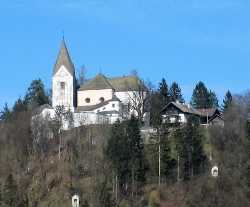 Castle
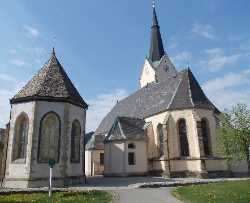 Church
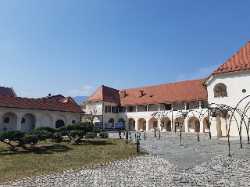 Mansion
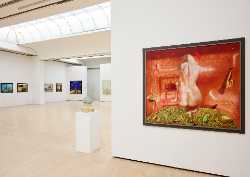 Museum
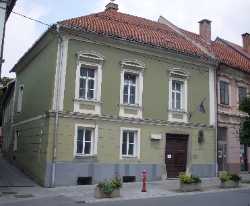 Museum
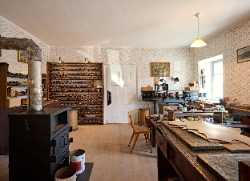 Museum