Dvorec Rotenturn
Dvorec Rotenturn is one of Slovenj Gradec’s most elegant landmarks, a Baroque mansion that reveals how a provincial town once attracted noble families, artists, and diplomats. Built in the 17th century and later expanded, the estate became closely tied to the Counts of Rotenturn, who transformed it into a refined residence with a distinctive U‑shaped layout and a formal courtyard that still shapes the surrounding streetscape. Inside, the mansion is known for its ceremonial halls, decorated with stucco work and traces of original frescoes. These rooms often host exhibitions, concerts, and civic events, making the building a living cultural venue rather than a static monument. One of the most interesting features is the preserved Baroque staircase, whose proportions and detailing reflect the ambitions of the Rotenturn family during the height of their influence. Visitors can explore spaces used for contemporary art displays, historical presentations, and municipal functions. The blend of old architecture and modern cultural programming gives the mansion an unusual dual identity: part aristocratic memory, part creative hub.
Slovenj Gradec Slovenia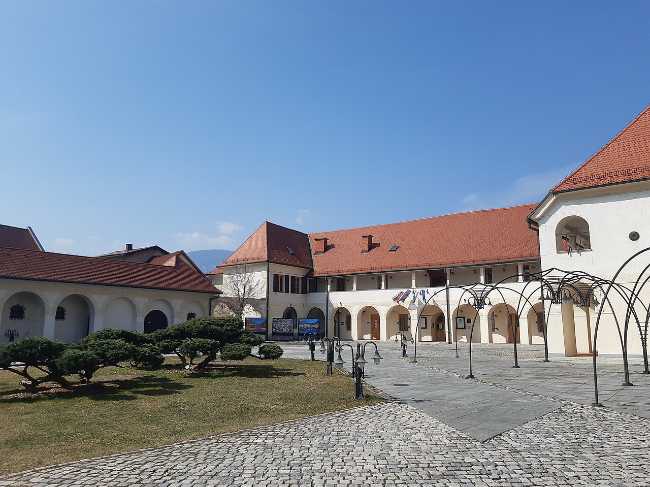
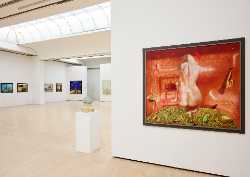
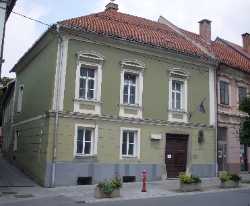
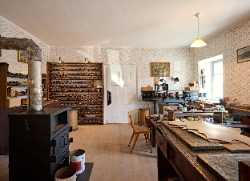
Dvorec Rotenturn stands in the heart of Slovenj Gradec, a historic town in northern Slovenia’s Mislinja Valley in the Carinthia region. The Renaissance-style manor is located right by the old town center, framed by the Pohorje hills and views toward the Kamnik-Savinja Alps. Today Rotenturn serves as the Slovenj Gradec town hall and hosts cultural events, so visitors can admire its courtyard and arcades while experiencing the town’s administrative life. From the manor you’re steps away from the medieval old town with its cobblestone streets and remnants of the city wall. The Gothic Church of St. Elizabeth, consecrated in 1251, and the Church of the Holy Spirit from 1428 are both nearby. Culture is close by too: the birth house of composer Hugo Wolf now operates as a memorial museum, while the Carinthian Gallery of Fine Arts and the Carinthian Regional Museum showcase regional art and heritage. The Jožef Levovnik Shoemaking Museum adds a quirky local touch. Just outside town, hike to the 14th-century Vodriž Castle ruins for a glimpse of medieval Carinthia. Nature lovers can head to Mount St. Ursula for sweeping alpine panoramas or walk the shaded Gorge Kaštel along the Suhodolnica river. Families enjoy Alpakaland to meet alpacas and the Motor Skills Park on the Štrekna cycle path, a gentle rail trail to Mislinja.
 Museum
 Museum
 Museum
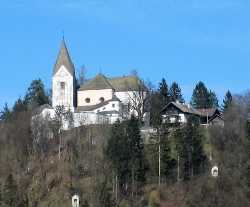 Castle
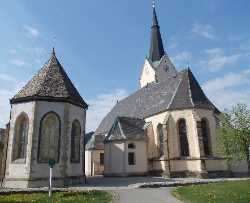 Church