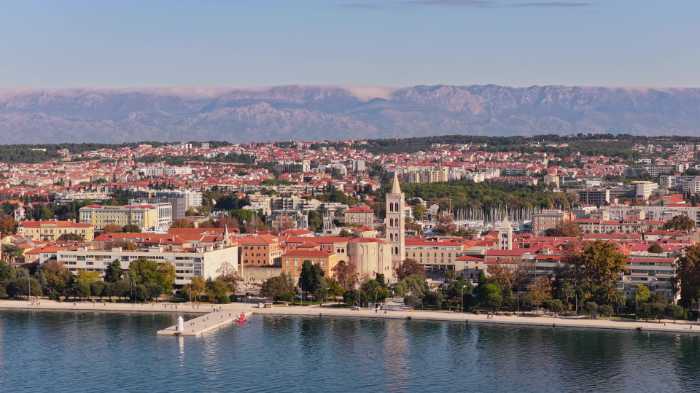
Zadar
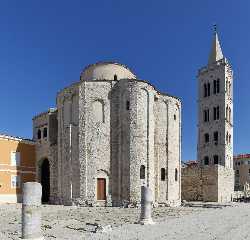
Zadar is one of Croatia's oldest cities and a remarkable destination on the Adriatic coast. Located in northern Dalmatia, the city boasts more than three thousand years of history and has been shaped by Illyrian, Roman, Byzantine, Venetian, and Austrian influences. Today, Zadar combines a rich cultural heritage with a lively Mediterranean atmosphere, making it one of the country's most appealing historic cities. The historic center occupies a peninsula surrounded by ancient defensive walls and the sparkling waters of the Adriatic Sea. Among the city's most important religious monuments is the Cathedral of St. Anastasia, the largest cathedral in Dalmatia. Built in a Romanesque style during the 12th and 13th centuries, the cathedral dominates the old town and offers visitors the opportunity to climb its bell tower for panoramic views of the city and nearby islands. Zadar is home to several fascinating museums. The Archaeological Museum Zadar is one of the oldest museums in Croatia and contains extensive collections from prehistoric, Roman, and medieval periods. The Museum of Ancient Glass showcases an exceptional collection of Roman glass artifacts and demonstrates ancient glassmaking techniques. Another important institution is the National Museum Zadar, which presents exhibitions related to natural history, art, and cultural heritage. Visitors interested in maritime history can also explore the Maritime Museum located within the city. One of Zadar's most significant historic landmarks is the Roman Forum, founded during the reign of Emperor Augustus. The remains of temples, columns, and public buildings provide insight into the city's importance during Roman times. Nearby stands the Church of St. Donatus, a unique circular church from the 9th century that has become one of Croatia's most recognizable architectural monuments. The city also preserves impressive fortifications from the Venetian era. The Land Gate, built in the 16th century, served as the main entrance to the fortified city and remains a masterpiece of Renaissance military architecture. It forms part of the UNESCO-listed Venetian Works of Defence. Modern landmarks have also earned Zadar international recognition. The Sea Organ, an innovative architectural installation that creates music using the movement of sea waves, attracts visitors from around the world. Nearby, the Monument to the Sun consists of solar-powered glass panels that produce spectacular light displays after sunset. The People's Square and Five Wells Square are additional historic gathering places where visitors can admire centuries-old buildings and experience the city's vibrant atmosphere. Walking through the narrow streets reveals traces of every era of Zadar's long history. Today, Zadar successfully blends ancient heritage with modern creativity. Its museums, cathedral, Roman monuments, defensive walls, and unique waterfront attractions make it one of the most fascinating destinations on the Adriatic coast and a city where history and innovation exist side by side.
What to see in Zadar
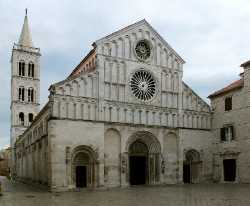 Cathedral
Church of St. Donatus
Cathedral
Church of St. Donatus
 Church
 of St. Mary
Church
Church of St. Mary
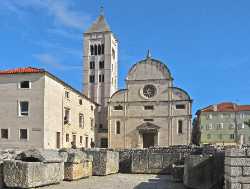 Church
 of St. Chrysogonus
Church
Church of St. Chrysogonus
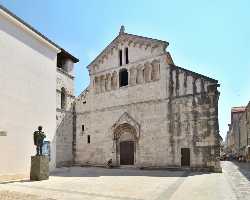 Church
 of St. Simeon
Church
Church of St. Simeon
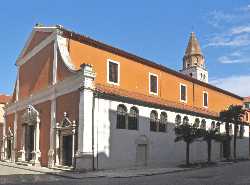 Church
Zadar City Walls
Church
Zadar City Walls
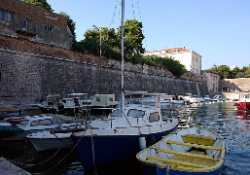 Historical Landmark
Land Gate
Historical Landmark
Land Gate
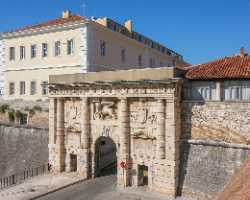 Historical Landmark
Archaeological Museum Zadar
Historical Landmark
Archaeological Museum Zadar
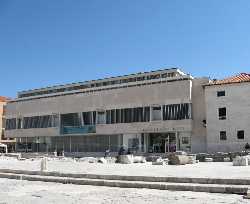 Museum
 of Ancient Glass
Museum
Museum of Ancient Glass
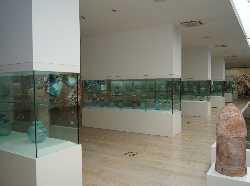 Museum
Duke's Palace
Museum
Duke's Palace
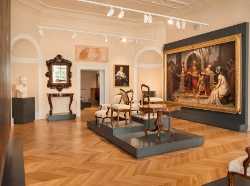 Museum
Mali Arsenal
Museum
Mali Arsenal
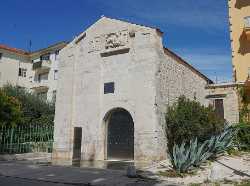 Museum
Captain's Tower
Museum
Captain's Tower
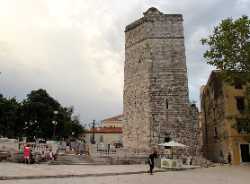 Tower
Tower