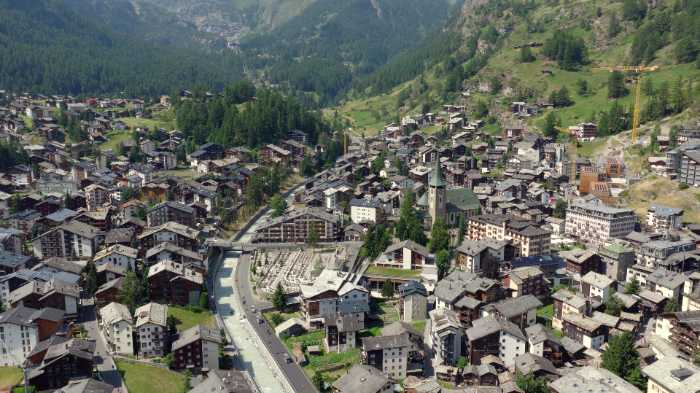
Zermatt
Zermatt is one of Switzerland’s most famous mountain destinations, located in the canton of Valais at the foot of the iconic Matterhorn. Known for its car-free village centre, wooden chalets, world-class skiing, hiking trails, and dramatic Alpine scenery, Zermatt attracts visitors year-round. It is a place where natural beauty, mountaineering history, and traditional Swiss culture come together. The village itself is compact and charming, filled with historic wooden buildings, narrow streets, and views of surrounding glaciers. One of the most recognizable landmarks is the Matterhorn, one of the most photographed mountains in the world. Its sharp, pyramid-shaped peak dominates the skyline and has become a global symbol of Switzerland. Another important historic landmark is the Mountaineers Cemetery, where many climbers who lost their lives attempting to summit the Matterhorn are commemorated, reflecting the village’s deep connection to alpine exploration. Zermatt offers several interesting museums. The Matterhorn Museum – Zermatlantis is the most important cultural attraction in the village. It is an underground museum that tells the story of Zermatt’s development, the first ascent of the Matterhorn, and the transformation of the village from a remote farming community into a world-famous resort. The Alpine Museum of the Swiss Alpine Club in nearby regions also provides insight into mountaineering history and the development of alpine exploration. Another notable attraction is the Gornergrat Railway exhibitions, which explain the engineering achievements behind one of the highest mountain railways in Europe and the development of tourism in the Alps. Visitors can also explore small local heritage displays in traditional chalets that preserve farming tools, costumes, and daily life from earlier centuries. Although Zermatt does not have a large medieval castle or royal palace, it is closely associated with historic alpine architecture. The village’s traditional chalets, such as the Old Village around Hinterdorfstrasse, act as living heritage landmarks. This area contains some of the oldest preserved wooden houses in Switzerland, built on stilts to protect them from animals and snow, and represents the traditional “castle-like” heritage of mountain life. The most important religious landmark in Zermatt is the Parish Church of St. Mauritius. This church, with its simple yet elegant design, has served the local community for generations and reflects the village’s long-standing alpine traditions. Other famous landmarks include the Gornergrat railway station viewpoint, which offers one of the most spectacular panoramic views in the Alps, including glaciers and surrounding 4,000-meter peaks. The Sunnegga and Rothorn areas provide additional viewing platforms, hiking trails, and ski routes with unforgettable scenery. Zermatt is also known for its connection to mountaineering history. The Matterhorn Glacier Paradise cable car leads to one of the highest accessible viewing platforms in Europe, offering year-round snow and panoramic alpine landscapes. With its museums, historic village core, traditional alpine architecture, church, and legendary mountain scenery, Zermatt offers a unique combination of culture, history, and natural wonder. It remains one of the most iconic destinations in the Swiss Alps and a must-visit for travelers seeking unforgettable mountain experiences.
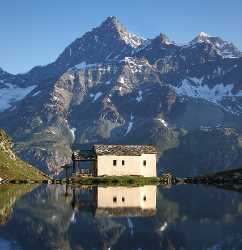 Chapel
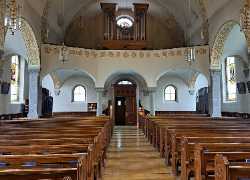 Church
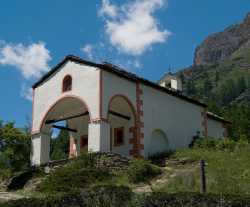 Church
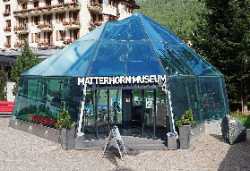 Museum
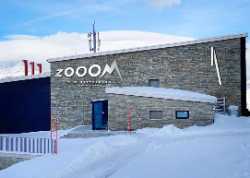 Museum
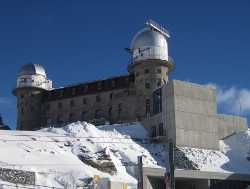 Observatory