Museum Ulm
Located in the historic center of Ulm, close to the city’s famous Gothic Minster, Museum Ulm is one of southern Germany’s most important art and cultural history museums. Its collections span thousands of years, from prehistoric archaeology to modern art, offering visitors a remarkable journey through the region’s cultural development. The museum is especially famous for housing the Lion Man (Löwenmensch), one of the most extraordinary prehistoric artworks ever discovered. Carved from mammoth ivory around 40,000 years ago, this human-animal figure is considered among the oldest known examples of figurative art in the world. The discovery has transformed our understanding of early human creativity and makes the museum an essential destination for anyone interested in prehistory. Inside, visitors can explore galleries dedicated to archaeology, medieval art, and the history of Ulm. Ancient tools, ornaments, and artifacts reveal how people lived in the region from the Ice Age onward. The medieval collection includes finely crafted sculptures, altarpieces, and religious artworks that reflect Ulm’s importance as a wealthy trading city during the Middle Ages.
Ulm Germany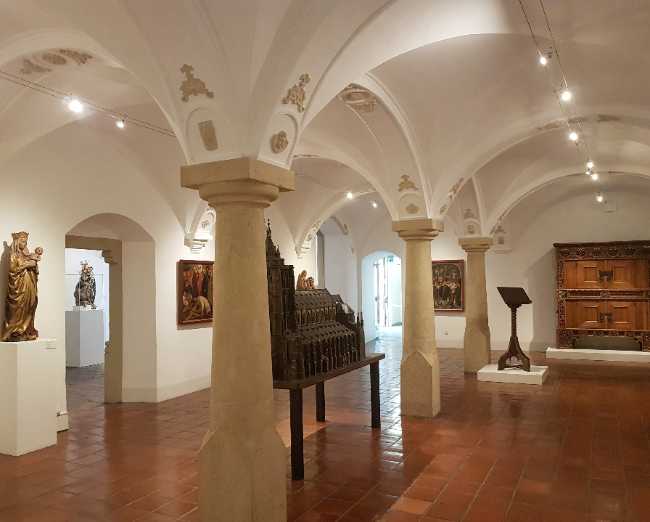
The Museum Ulm sits right on the central Marktplatz in the heart of Ulm, Baden-Württemberg. You will find it at Marktplatz 9, 89073 Ulm, in a historic building overlooking the square.It is the city’s main museum for art, archaeology and local history, with collections that range from prehistoric finds (including the famous Lion Man ivory figure) to late-Gothic sculptures, Renaissance paintings and more recent works. The rooms feel welcoming and the displays cover a wide sweep of the region’s past.Step outside and you are already on the lively Marktplatz, with the ornate Rathaus and the Fischkasten fountain just a few steps away. The great Ulm Minster, with the tallest church spire in the world, rises only a short walk further. The charming Fischerviertel, the old fishermen’s and tanners’ quarter along the Danube, is close by, as is the modern Kunsthalle Weishaupt. The riverfront paths and the city walls offer pleasant strolls if you want to stretch your legs. Everything is near enough that you can easily combine the museum with a look at the minster or a wander through the old quarter in one relaxed day.
 Museum
 Museum