Museum der Brotkultur
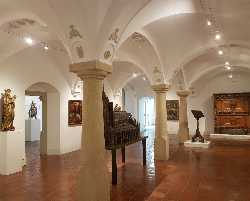
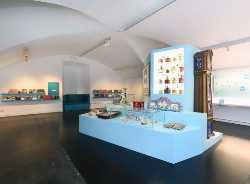
Located in the heart of Ulm’s historic old town, the Museum der Brotkultur, now known as Museum Brot und Kunst, is one of the world’s most unusual museums. Founded in 1955 as the first museum dedicated entirely to bread, it explores how a simple staple food has shaped human history, culture, religion, art, and society. Inside, visitors travel through thousands of years of history, discovering how grain cultivation and bread production influenced the development of civilizations. Exhibits feature historical baking tools, agricultural artifacts, religious objects, and cultural treasures from around the world. The museum also examines the universal challenge of hunger and the importance of food security, linking past experiences with modern global issues. One of the museum’s most fascinating aspects is its impressive art collection. Works dating from the 15th to the 21st century explore themes of food, nature, social justice, and everyday life. Visitors can admire pieces by renowned artists including Pablo Picasso, Marc Chagall, Käthe Kollwitz, Max Beckmann, and Salvador Dalí, all connected in some way to the symbolism of bread and nourishment.
Ulm Germany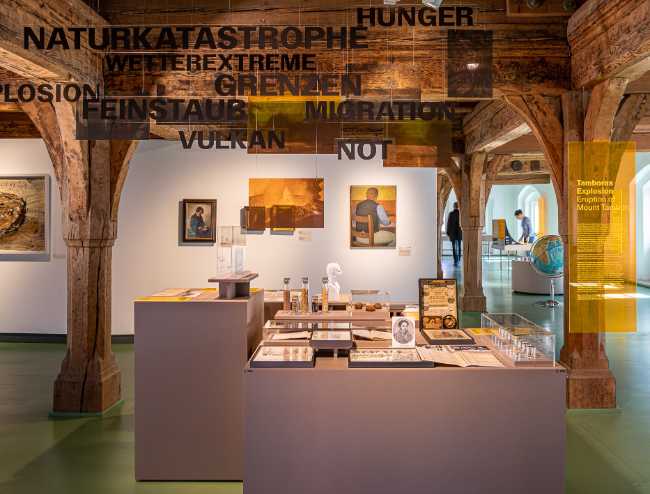
The Museum der Brotkultur sits right in the heart of Ulm in Baden-Württemberg, at Salzstadelgasse 10, 89073 Ulm. You’ll find it inside the old Salzstadel, a historic salt storehouse from the late 1500s, just a short stroll from the main train station and the lively old town.Right nearby stands the famous Ulm Minster with its soaring steeple that still ranks among the tallest church towers in the world. A few steps farther brings you into the charming Fischerviertel, the old fishermen’s quarter with its crooked half-timbered houses, narrow lanes, and quiet canals. The Metzgerturm and stretches of the medieval city wall are also close by, perfect for a relaxed walk along the Danube.Within easy walking distance you’ll also pass the Stadthaus, the Ulmer Museum, and the market square with its painted town hall. A little farther out but still convenient is the Donauschwäbisches Zentralmuseum, while the baroque Wiblingen Monastery with its stunning library makes a nice short trip if you have extra time. Everything sits compactly in the city centre, so you can combine the bread museum with these sights without much effort.
 Museum
 Museum