Donauschwäbisches Zentralmuseum
Located in Ulm’s historic Reduit fortress on the banks of the Danube, the Donauschwäbisches Zentralmuseum (Danube Swabian Central Museum) is a unique institution dedicated to the history and culture of the Danube Swabians, German-speaking communities who settled across southeastern Europe from the 18th century onward. It is one of the few museums in Europe devoted entirely to this remarkable chapter of migration and cultural exchange. One of the museum’s most interesting aspects is its exploration of the Danube as a great European highway. Through interactive exhibits and historical displays, visitors learn how thousands of settlers traveled from German lands along the Danube to regions that are now part of Hungary, Serbia, Romania, and Croatia. Their journeys helped shape the cultural landscape of Central and Southeastern Europe for centuries. Inside, visitors can explore exhibitions featuring traditional costumes, household objects, furniture, tools, religious items, and personal belongings that illustrate everyday life in Danube Swabian communities. Historical documents, photographs, and maps bring individual stories to life, revealing both the opportunities and challenges faced by settlers in their new homeland.
Ulm Germany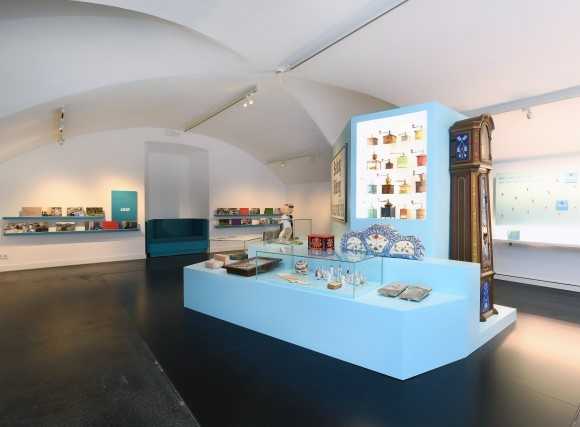
The Donauschwäbisches Zentralmuseum sits near the Danube in Ulm, Baden-Württemberg. You will find it at Schillerstraße 1, 89077 Ulm, in a historic 19th-century building not far from the river and the main station area.It tells the story of the Danube Swabians – the German-speaking settlers who moved along the Danube into south-eastern Europe – through personal objects, photographs, films and interactive displays. There is also a section devoted to the river itself and the many lives lived along its banks.A short walk or tram ride brings you into the historic centre of Ulm. There you will find the great Ulm Minster with the tallest church spire in the world, the Museum Ulm on the Marktplatz, the charming Fischerviertel with its half-timbered houses, and the riverside paths along the Danube. Across the river lies Neu-Ulm with its own smaller museums and parks. Everything is close enough that you can easily combine the museum with a look at the minster or a stroll through the old town and along the river in one relaxed day.
 Museum
 Museum