Venta Rapid
Venta Rapid, known as Ventas rumba, is one of Kuldīga’s most iconic natural landmarks and the widest waterfall in Europe. Stretching up to 249 metres across the Venta River, it is not a tall cascade—only about 1.6 to 2 metres high—but its impressive width and constant movement create a unique, almost sculptural landscape. Formed by a rare dolomite ledge, the rapid has shaped the town’s history for centuries. One of the most fascinating traditions linked to Ventas rumba is the ancient method of ķoņi fishing. During spring and autumn, salmon and other fish leap over the waterfall, and locals once caught them mid‑air with hand nets. This unusual practice, documented since the 17th century, became a symbol of Kuldīga’s ingenuity and connection to the river. The rapid also played a role in local trade. In the 17th century, Duke Jacob of Courland attempted to build a canal to bypass the waterfall and improve navigation, leaving behind traces still visible today. Today, Ventas rumba is a beloved gathering place, especially in summer when people cool off in the shallow waters. It remains a defining feature of Kuldīga’s charm—a natural wonder where history, tradition, and the rhythm of the river meet.
Kuldīga Latvia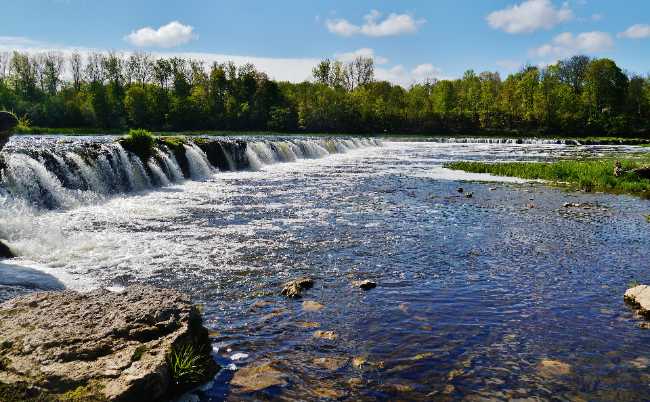
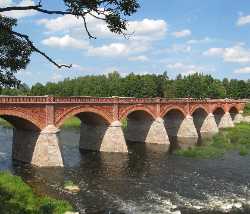
Venta Rapid, known in Latvian as Ventas rumba, is located on the Venta River in Kuldīga, a historic town in western Latvia’s Kurzeme region. The rapid sits just below the 19th-century Brick Bridge, right on the edge of the Old Town. At 240 meters wide, it is recognized as Europe’s widest waterfall. The cascade is low and broad, with water flowing over dolomite rock in a series of gentle steps rather than a tall drop. In spring and early summer the site becomes especially lively when vimba fish migrate upstream and can be seen leaping over the ledges. From the rapid, Kuldīga’s main attractions are all within a short walk. The Brick Bridge spans the river above the falls and is a popular spot for photos, particularly at sunset when the sky reflects on the water. Across the bridge lies the UNESCO-listed Old Town, with cobbled streets, 17th and 18th-century merchant houses, and the Alekšupīte River flowing between buildings in a scene that gives Kuldīga its nickname, the “Venice of Latvia.” Nearby you will also find the Needle Tower, a former wooden fire lookout with views over the town and river valley, and St. Catherine’s Lutheran Church on Baznīcas Square, one of the oldest churches in Kurzeme. The Kuldīga District Museum in the old town hall and the peaceful Kuldīga Castle Park on the opposite bank are close by as well.
 Museum
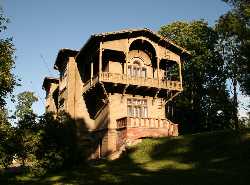
Collection of the Kuldīga County Museum
Museum
Collection of the Kuldīga County Museum
 Museum
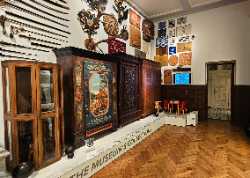
 of Old Kuldiga Folklore
Museum
Museum of Old Kuldiga Folklore
 Museum
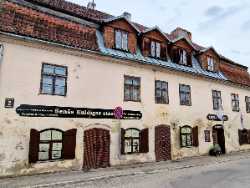
Kuldiga’s Needle Tower
Museum
Kuldiga’s Needle Tower
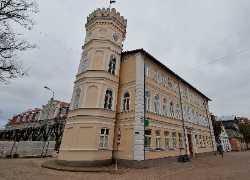 Museum
Holy Trinity Catholic Church
Museum
Holy Trinity Catholic Church
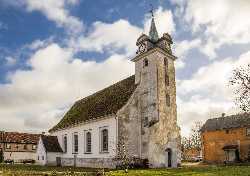 Church
St. Catherine’s Lutheran Church
Church
St. Catherine’s Lutheran Church
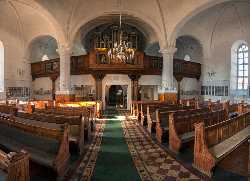 Church
Kuldīga Orthodox Church of St. Anna
Church
Kuldīga Orthodox Church of St. Anna
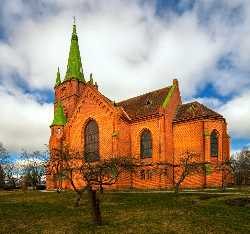 Church
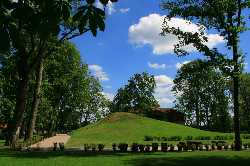
Kuldiga Castle Park
Church
Kuldiga Castle Park
 Park
Kuldīga brick bridge over Venta
Park
Kuldīga brick bridge over Venta
 Bridge