Mausoleum of the Radziwiłł Dukes
The MausoleumThe Mausoleum of the Radziwiłł Dukes in Kėdainiai is one of the most remarkable aristocratic burial sites in Lithuania, reflecting the power and legacy of the Radziwiłł family, who shaped the town’s political, cultural, and religious life for centuries. Built in the 17th century beside the Evangelical Reformed Church, it is the only surviving Calvinist noble mausoleum of its kind in the country. An interesting fact is that several members of the influential Biržai–Dubingiai branch were laid to rest here, including high‑ranking military leaders and patrons of the Reformation. Inside, visitors can see restored sarcophagi and memorial plaques that reveal the family’s status and artistic tastes. The interior is modest compared to Catholic mausoleums, reflecting Calvinist values, yet its architectural harmony and historical weight create a solemn atmosphere. Exhibitions explain the Radziwiłłs’ role in shaping Kėdainiai, from urban planning to religious tolerance. The mausoleum, together with the nearby church, forms a unique ensemble that offers a rare glimpse into the spiritual and political world of one of Lithuania’s most powerful dynasties.
Kėdainiai Lithuania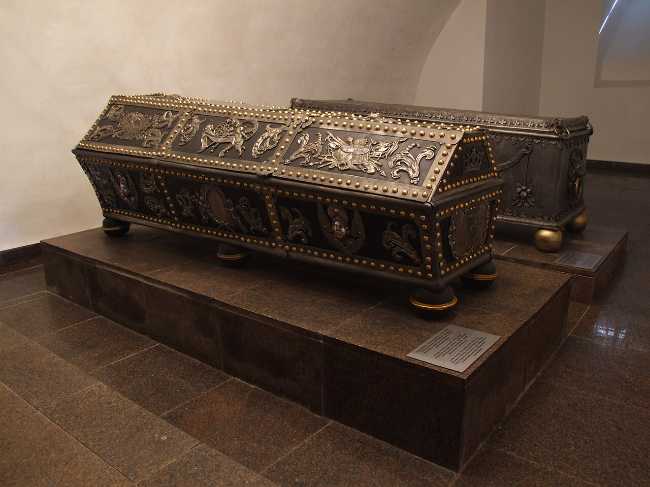
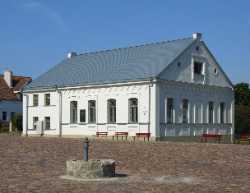
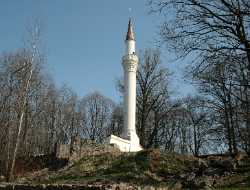
The Mausoleum of the Radziwiłł Dukes is located in Kėdainiai Old Town, inside the Renaissance-style Evangelical Reformed Church on Senoji Street. Founded in 1631 by Kristupas Radvila II and completed by his son Jonušas Radvila, the church houses the only crypt of magnates in Lithuania. It serves as the burial site of six members of the influential Radziwiłł family, including the powerful dukes who shaped the Grand Duchy of Lithuania in the 17th century. The mausoleum sits in the heart of one of Lithuania’s four preserved Old Towns. Right next to it is Great Market Square, surrounded by colorful 17th-century merchant houses and the Town Hall. A short stroll along Didžioji Street leads to the Multicultural Centre, set in a 19th-century former “winter synagogue” with exhibits on Kėdainiai’s Jewish heritage. Nearby are St. Joseph’s Church, a distinctive wooden Jesuit church from the 18th century, and St. George’s Church, a 15th-century Gothic basilica. The main Kėdainiai Regional Museum, housed in a former Carmelite monastery, is also within walking distance and displays archaeology, folk art, and local history. Just outside the Old Town, Kėdainiai Park is home to the city’s famous 19th-century minaret. The compact Old Town itself is an attraction, known for its mix of Lithuanian, Scottish, German, and Jewish architecture and its title as Lithuania’s “cucumber capital.”
 Museum
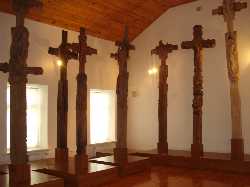
Multicultural Centre
Museum
Multicultural Centre
 Museum
Janina Monkutė-Marks Museum
Museum
Janina Monkutė-Marks Museum
 Museum
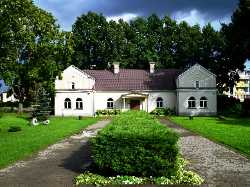
Tradicinių amatų centras Arnetų name
Museum
Tradicinių amatų centras Arnetų name
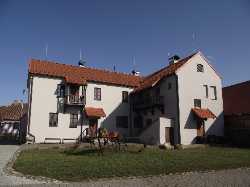 Museum
Church of St. George
Museum
Church of St. George
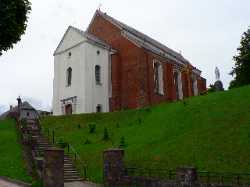 Church
Kėdainiai Church of St. Joseph
Church
Kėdainiai Church of St. Joseph
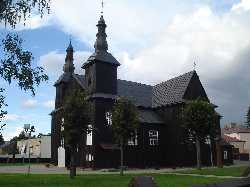 Church
Kėdainiai Orthodox Church of the Transfiguration
Church
Kėdainiai Orthodox Church of the Transfiguration
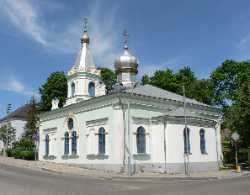 Church
Kėdainiai Minaret
Church
Kėdainiai Minaret
 Historical Landmark
Kėdainiai City Park
Historical Landmark
Kėdainiai City Park
 Park
Apytalaukis Manor
Park
Apytalaukis Manor
 Manor
Manor