Segantini Museum
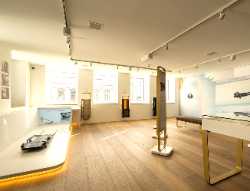
Segantini Museum is one of St. Moritz’s most evocative cultural spaces, dedicated entirely to the visionary painter Giovanni Segantini, who spent his final years in the Engadin. The museum itself is an artwork: a rotunda inspired by the artist’s unrealised plan for a panoramic pavilion, giving the building a symbolic, almost spiritual presence above the lake. Inside, visitors encounter Segantini’s world in carefully curated stages. The central hall displays his monumental Alpine triptych Life – Nature – Death, a cycle that captures the drama of mountain light and the emotional depth of rural life. Smaller rooms reveal his mastery of divisionism, where colour is broken into luminous strokes that shimmer when viewed from a distance. One of the most interesting facts is that Segantini painted many of these works outdoors at high altitude, transporting canvases and materials up steep slopes to capture the exact light he sought. The museum also preserves personal objects, sketches, and letters that illuminate his intense relationship with the Engadin landscape. Together, they create an intimate portrait of an artist who transformed Alpine scenery into a universal language of beauty and contemplation.
St. Moritz Switzerland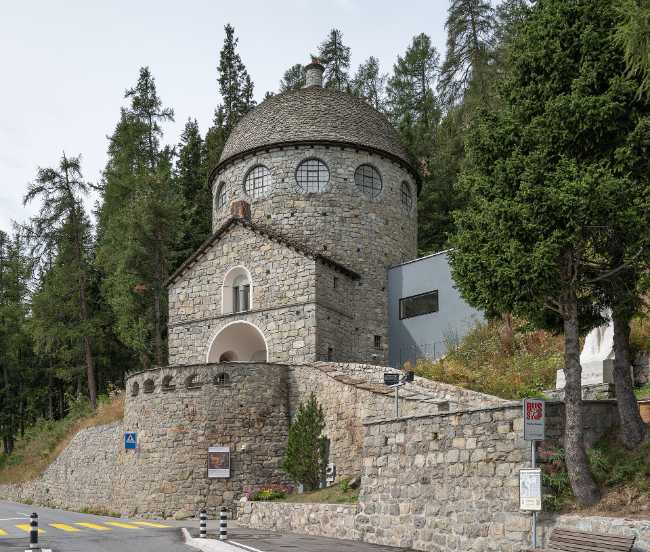
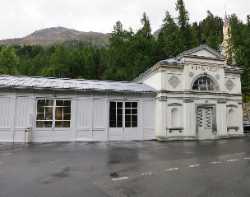
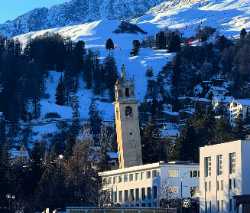
The Segantini Museum is dedicated to painter Giovanni Segantini and sits on a hillside in St. Moritz, Switzerland. You’ll find it on Via Somplaz in the St. Moritz-Dorf area, slightly above the town center. The building, inspired by the pavilion Segantini planned for the 1900 Paris World’s Fair, has a striking dome and offers views over Lake St. Moritz and the Engadin valley. The museum houses the world’s largest collection of Segantini’s works. Its highlight is the Alpine Triptych La Vita – La Natura – La Morte, displayed in the domed hall designed for it. Paintings, drawings, and documents trace his life and his connection to the Engadin landscape. From the museum, walk 10 minutes downhill to Lake St. Moritz, the heart of the resort with lakeside promenades, sailing in summer, and frozen polo or horse races in winter. The luxury shopping and hotel district along Via Serlas is also close by. For views, take the Chantarella funicular to Corviglia, a main ski and hiking area, starting 15 minutes away. The Engadine Museum, with its collection of Alpine home interiors, is a short walk from the lake. Nearby villages like Celerina and Pontresina offer traditional Engadin architecture and access to Morteratsch Glacier and Bernina Pass.
 Museum
 Museum
 Museum
 Museum
 Museum
 Tower
Tower