The National Museum of the Union
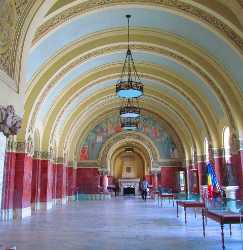
The National Museum of the Union in Alba Iulia is one of Romania’s most important cultural institutions, housed in the historic Bathyaneum complex near the city’s Vauban fortress. Founded in 1888, it preserves the story of Transylvania’s past, with a special focus on the 1918 Union that shaped modern Romania. The building itself is a highlight: elegant Neo‑Classical façades, arcaded corridors, and a courtyard that once hosted scholarly gatherings. Inside, the museum unfolds like a chronological journey. The archaeology halls display Dacian tools, Roman military gear, and artifacts from Apulum, one of the largest Roman cities in the region. The medieval section features weapons, guild objects, and manuscripts that reveal Alba Iulia’s role as a princely capital. The most symbolic space is the Union Hall, where documents, portraits, and personal items of the 1918 delegates recreate the atmosphere of the Great Union. Visitors also enjoy the ethnography galleries, filled with traditional costumes and rural objects that show everyday life across Transylvania.
Alba Iulia Romania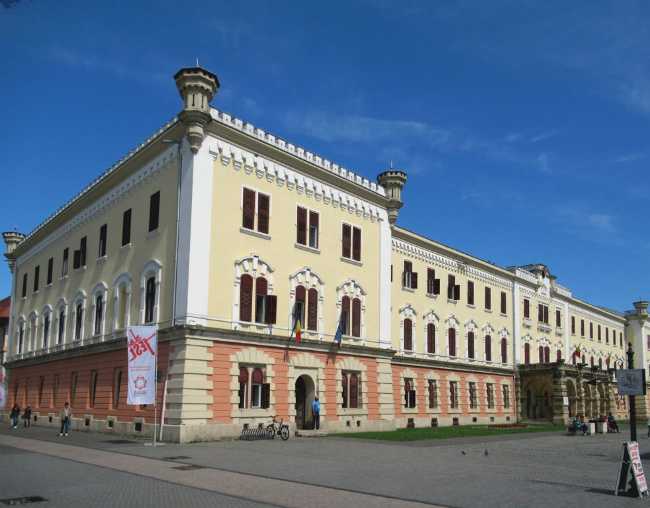
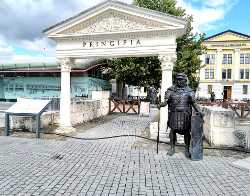
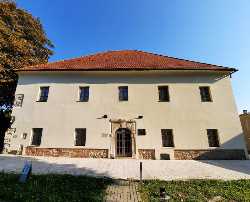
The National Museum of the Union is located inside the Alba Carolina Citadel in the center of Alba Iulia, Alba County, central Romania. It is housed in the historic Babylon Building, a 19th-century military structure within the star-shaped Vauban fortress. Founded in 1888, the museum is one of the most important in Romania and focuses on the country’s path to unity. Its most famous section is The Union Hall, where the Great Union of Transylvania with Romania was proclaimed on December 1, 1918. The museum displays archaeological finds, medieval artifacts, original documents, flags, and photographs that tell the story of the region from prehistory to modern times. Right next to the museum are the Coronation Cathedral, built for King Ferdinand and Queen Marie in 1922, and the Roman Catholic Cathedral of St. Michael, a 13th-century Romanesque monument. The entire Alba Carolina Citadel is an attraction itself, with massive gates, bastions, and wide walls. Visitors enjoy the daily Changing of the Guard ceremony, Roman reenactments, and evening light shows projected on the gates. You can also explore the Princely Palace, the Roman castrum ruins of Apulum, and walk the citadel’s tree-lined alleys. Outside the fortress, Liberty Street offers cafés, shops, and 19th-century buildings. Mamut Park is a quiet green space for walks. Day trips to the Trascău Mountains or Râmeț Monastery are easy from Alba Iulia. With its central spot and deep historical meaning, the museum is the perfect start for discovering the city’s heritage.
 Museum
 Museum
 Museum
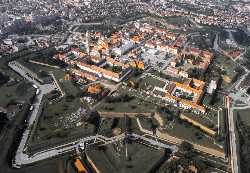 Fortress
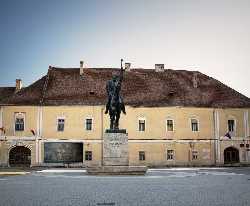 Museum
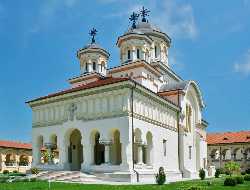 Cathedral
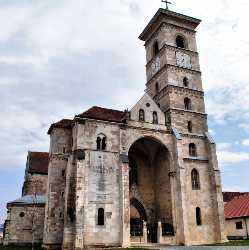 Cathedral