Museum of East Bosnia
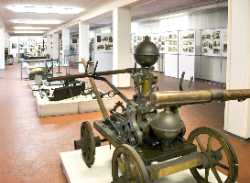
Museum of East Bosnia in Tuzla offers a compact yet vivid journey through the cultural, industrial, and archaeological heritage of the region. Founded in the mid‑20th century, it preserves stories that shaped Tuzla long before it became a modern industrial centre. One of its most interesting aspects is how it connects prehistoric settlements, medieval mining traditions, and the city’s salt‑based economy into a single narrative. Inside, the archaeological collection stands out. Neolithic pottery, tools, and jewellery from nearby sites reveal how early communities lived around Tuzla’s salt springs. Roman artefacts, including coins and household objects, show the area’s importance as a trade stop. The medieval section highlights mining equipment and documents that illustrate Tuzla’s long history of salt extraction—an industry that influenced everything from architecture to settlement patterns. The ethnographic rooms are equally engaging. Traditional Bosnian clothing, handcrafted textiles, and household items display the everyday life of rural families in East Bosnia. A reconstructed interior of a 19th‑century home offers a close look at regional craftsmanship.
Tuzla Bosnia and Herzegovina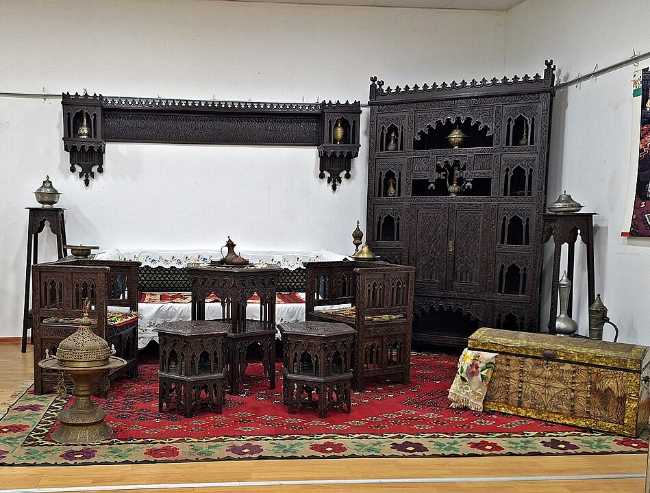
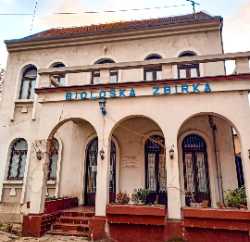
The museum is located at Džindić mahala 21, Tuzla 75000, Bosnia and Herzegovina. It is situated in a pleasant neighborhood just a short, easy walk northeast of Tuzla's historical city center. Because the museum sits close to the vibrant city core, you can effortlessly reach Tuzla’s primary tourist sights on foot within minutes. A brief stroll south leads you straight to Freedom Square, the largest public square in Bosnia and Herzegovina, surrounded by charming historic buildings, outdoor cafés, and the ornate Central Park fountain. Just beyond the square lies the famous Pannonian Lakes complex, artificial saltwater lakes and beaches right in the center of town. Nearby, you can also explore the International Gallery of Portraits, visit the historic Turalibeg Mosque, and admire the unique wooden architecture of the Džindić Mosque.
 Museum
 Museum
 Museum
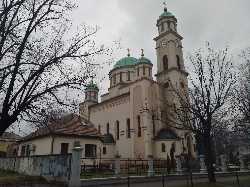 Church
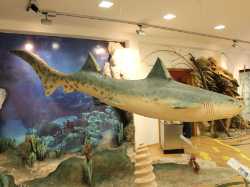 Museum