Museum of Salt Production
Museum of Salt Production in Tuzla is a rare industrial heritage site that tells the story of a city built on salt. Tuzla’s salt springs have been exploited for more than a thousand years, but the museum focuses on the period when modern evaporation techniques transformed the town into one of the region’s key industrial centres. Housed in an original saltworks building, it preserves machinery and tools that once powered Tuzla’s economy. Inside, the most interesting feature is the reconstructed evaporation system. Large metal pans, pipes, and wooden channels show how brine was heated and crystallised into salt. Visitors can follow the entire process step by step, from pumping the brine to drying and packaging. The old boilers, still darkened by decades of use, reveal the scale of production during the 19th and early 20th centuries. The museum also displays archival photographs, workers’ uniforms, and documents that illustrate how salt shaped everyday life—jobs, migration, and even the city’s architecture. A small geological section explains why Tuzla’s underground salt layers are so extensive, linking natural history with industrial development.
Tuzla Bosnia and Herzegovina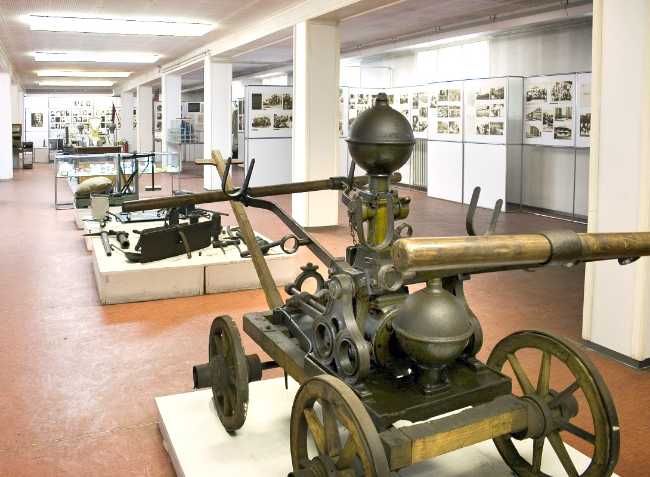
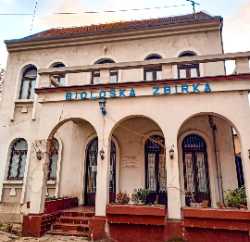
The museum is located at Solana, Tuzla Grad 75000, Bosnia and Herzegovina. It is situated within the Solana factory complex, roughly two kilometers west of Tuzla's historic city center. Because the museum is just a short trip from the town center, you can easily explore all of Tuzla's main tourist sights within a few minutes by car or bus. Heading east into the core brings you to the famous Pannonian Lakes, unique artificial saltwater lakes with sandy beaches right in the middle of town. Nearby, you can stroll through Freedom Square, visit the Museum of East Bosnia, browse the Biological Collection on the Korzo pedestrian street, and view fine art at the International Gallery of Portraits. Notable historic landmarks like the Ottoman-era Turalibeg Mosque are also close by.
 Museum
 Museum
 Museum
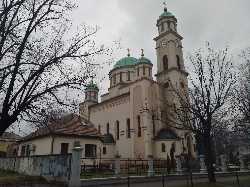 Church
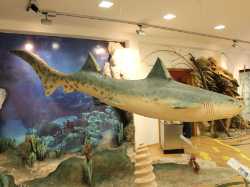 Museum