Geološka postavka "Pannonica"
Geološka postavka “Pannonica” is one of Tuzla’s most engaging scientific displays, located within the famous salt‑lake complex. Rather than presenting geology as abstract theory, the exhibition explains how Tuzla’s unique landscape was shaped by the ancient Pannonian Sea—a vast inland body of water that once covered much of Central Europe. Its disappearance left behind thick layers of salt, clay, and minerals that define Tuzla’s identity even today. Inside, visitors can explore geological samples that trace millions of years of history. Stratified rock sections show how sediment accumulated during the Pannonian period, while salt crystals and brine‑related formations illustrate why Tuzla became a centre of salt production. One of the most interesting features is the fossil display: shells, plant imprints, and small aquatic organisms that once lived in the prehistoric sea, offering a tangible link to a vanished ecosystem. Educational panels explain how tectonic movements shaped the basin and how human activity—especially salt extraction—affected the terrain, including the city’s well‑known subsidence issues. The exhibition also highlights the creation of the modern Pannonica lakes, showing how geological heritage inspired a contemporary recreational landmark.
Tuzla Bosnia and Herzegovina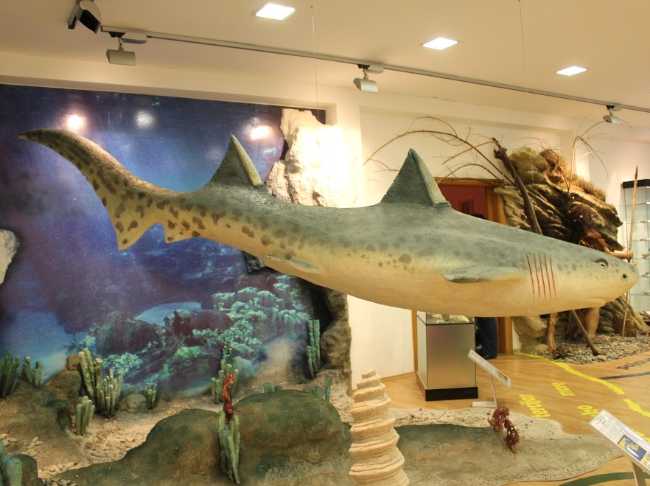
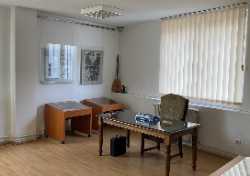
The exhibition is located at Šetalište Slana Banja b.b., Tuzla 75000, Bosnia and Herzegovina. It is situated inside the administration building within the Pannonian Lakes complex, right in the heart of the city. Because the collection sits right inside the main park grounds, you can effortlessly explore Tuzla's top tourist attractions on foot. Steps away from the building, you can visit the Archaeological Park Neolithic Settlement, featuring reconstructed lake dwellings, or relax by the famous Pannonian Lakes and their cascading salt waterfalls. A short stroll out of the park brings you straight to Freedom Square, the Museum of East Bosnia, the Dom Književnosti on Salt Square, and the vibrant Korzo pedestrian promenade.
 Museum
 Museum
 Museum
 Museum
 Church