Archaeological Museum – Epigraphic Center
Archaeological Museum – Epigraphic Center in Vidin is a unique institution dedicated to the written heritage of the ancient world. Housed in a restored 18th‑century building near Baba Vida Fortress, it preserves one of Bulgaria’s richest collections of stone inscriptions, offering a rare opportunity to see how past civilizations recorded laws, beliefs and everyday life. The museum’s focus on epigraphy makes it stand out among regional museums, turning carved text into a window onto centuries of Danube history. Inside, the most striking exhibits are the Roman and early Byzantine stone slabs, many discovered in Vidin and its surroundings. These inscriptions include military dedications, funerary steles and civic decrees that reveal the multicultural character of the ancient Danubian frontier. One particularly interesting piece is a well‑preserved Latin dedication from a Roman military unit stationed in the region, showing Vidin’s strategic importance along the empire’s northern border. The medieval section features Bulgarian and Ottoman inscriptions, including church fragments, tombstones and architectural elements that trace Vidin’s evolution as a spiritual and administrative centre.
Vidin Bulgaria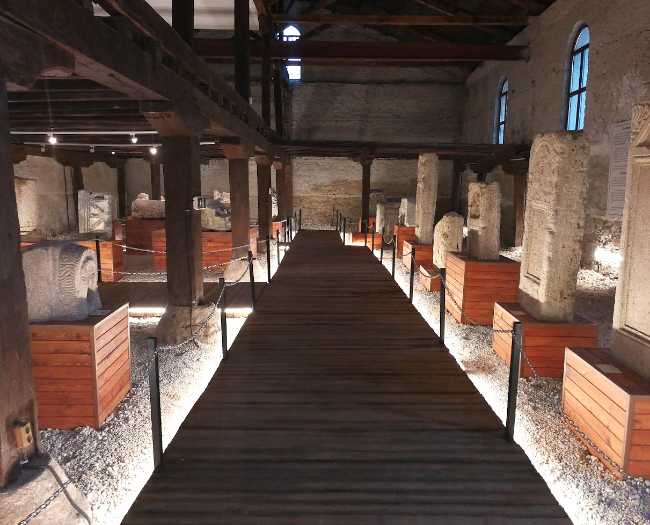
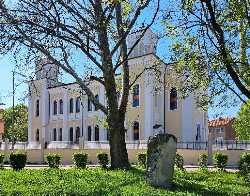
The Archaeological Museum – Epigraphic Center in Vidin stands on Kazarmena Street at number 50, right beside the walls of Baba Vida Fortress. The building is an old Turkish warehouse that has been restored and turned into a quiet space for stone inscriptions and architectural pieces found around the region. You are already next door to the fortress itself, so a few steps take you into the medieval castle with its towers, courtyards and views over the Danube. The Cross Barracks Museum and the Konaka History Museum are only a short walk away in the Kaleto quarter and town centre, both part of the same regional collection. The riverside park, the Osman Pazvantoglu Mosque and the old synagogue sit close by as well, giving you a mix of castle walls, museums and quiet river paths within easy reach of one another.
 Museum
 Museum
 Gallery
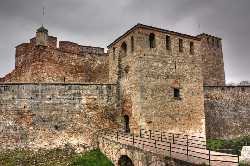 Fortress
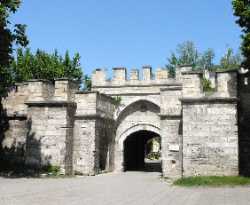 Historical Landmark
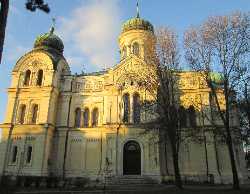 Church
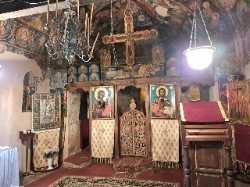 Church
 Historical Landmark
 Theatre