Art Museum of Montenegro
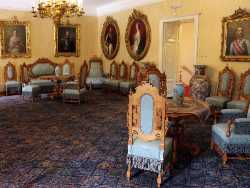
The Ethnographic Museum of Montenegro offers one of the most vivid journeys into the country’s traditional life, housed in a former Serbian embassy building from the early 20th century. One of its most interesting facts is that many objects were collected directly from Montenegrin households during the late 1800s and early 1900s, making the museum a rare archive of authentic daily culture rather than curated replicas. Inside, visitors encounter a rich display of regional costumes, each embroidered with patterns that reveal clan identity, social status, and local craftsmanship. The women’s garments from the coastal region, decorated with gold thread, contrast beautifully with the woolen mountain attire designed for harsh winters. The museum also preserves traditional jewelry—silver filigree pieces, amulets, and ornate buckles that reflect centuries of symbolism. Household items form another engaging part of the collection. Wooden chests, carved spoons, loom parts, and ceramic vessels illustrate how Montenegrins cooked, stored food, and organized family life. A reconstructed interior of a traditional Montenegrin home allows visitors to step into a space shaped by stone, wood, and handmade textiles.
Cetinje Montenegro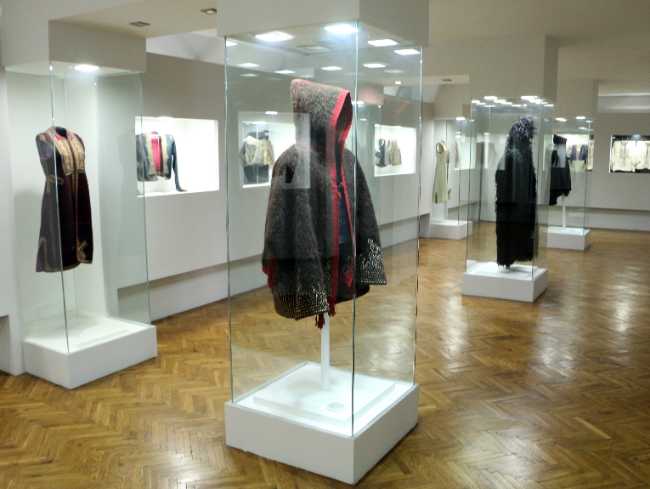
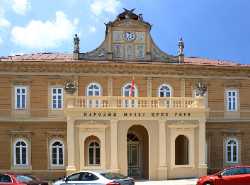
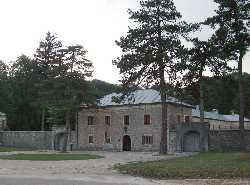
The Ethnographic Museum of Montenegro is right in the very center of Cetinje, where all the old royal buildings are. You will find it at Dvorski Trg, Cetinje 81250, inside the complex of the former royal court. It is located in the building of the former Serbian Embassy, right on the main palace square, so it is impossible to miss if you are walking around the historic core. This is probably the most convenient spot in town to start your sightseeing, because everything is around you. Directly next to it is the Museum of King Nikola, housed in the former Royal Palace of King Nikola I. Just a few steps away is the Njegos Museum Billiards, or Biljarda, the old residence of Petar II Petrovic Njegos built in 1838, and right there in its garden you have the famous Relief Map of Montenegro. In the same square you also have the National Museum of Montenegro, the Art Museum and the History Museum. A short walk brings you to Cetinje Monastery, one of the most important spiritual sites in the country, and the Court Church on Cipuri where the royal couple is buried.
 Museum
 Museum
 Museum
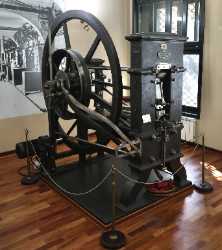 Museum
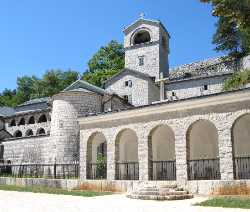 Monastery
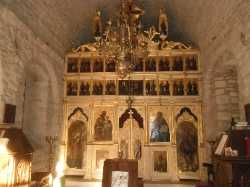 Church
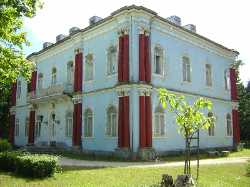 Palace
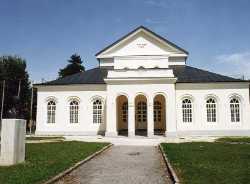 Theatre
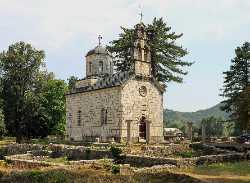 Church
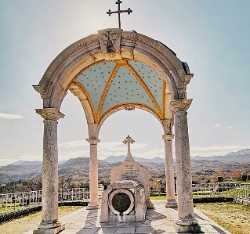 Observation deck