St. Spyridon Monastery
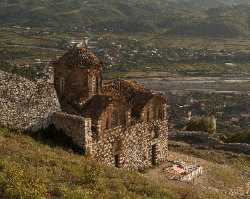
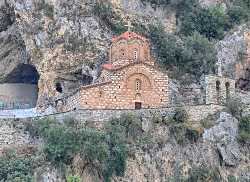
St. Spyridon Monastery is one of Berat’s quiet spiritual treasures, set just outside the bustle of the lower town and surrounded by greenery that gives it a secluded, contemplative atmosphere. Although smaller than the churches inside the castle, it holds an important place in the city’s Orthodox heritage. The monastery’s architecture reflects 19th‑century Albanian ecclesiastical style: simple stone walls, a modest bell tower, and a warm, welcoming courtyard where visitors often pause before entering. Inside, the church reveals its most captivating details. The iconostasis is finely carved, with floral motifs and gilded accents that show the skill of local artisans. Several icons attributed to regional painters depict St. Spyridon, known as a protector of the poor and a healer, making the monastery a site of quiet devotion for generations. Soft natural light filters through small windows, illuminating the frescoes that still cling to the walls—faded yet expressive, offering glimpses of saints and biblical scenes. One of the most interesting aspects of the monastery is its role as a community refuge during difficult periods. Locals recall gatherings, celebrations, and moments of solace within its courtyard, giving the site a strong emotional resonance.
Berat Albania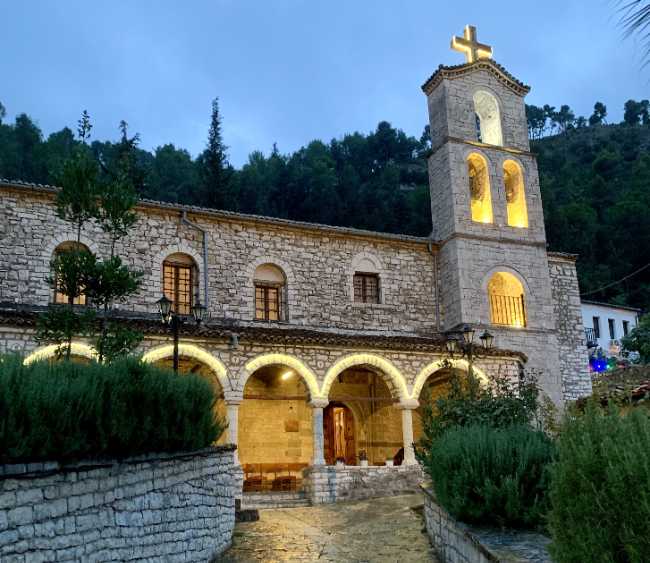
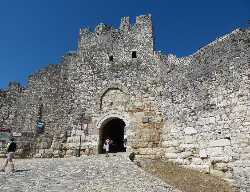
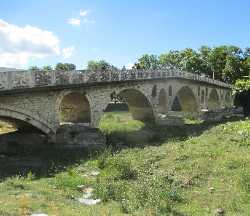
It is located in the historic city of Berat in southern Albania, which is a UNESCO World Heritage site. The address is Rruga Nikolla Buhuri, in the old Gorica Quarter, Berat, Albania. It sits on the left bank of the Osum River, right across from the famous Mangalem Quarter, so you have to cross the river to get to it. It is a small and peaceful Eastern Orthodox church, much simpler than the big cathedrals, and that is exactly its charm. It is surrounded by old stone houses and narrow streets, so it feels very local and authentic. You are just a few minutes from the Gorica Bridge, the old Ottoman bridge that connects Gorica with Mangalem and gives you the classic postcard view of Berat. From there you can walk up to Berat Castle, the huge fortress on the hill that is still inhabited. Inside the castle you will find the Onufri Museum with its beautiful Byzantine icons, the Church of the Holy Trinity and many other old churches. Nearby you also have the National Ethnographic Museum, housed in a traditional Ottoman home, and lots of small cafes and craft shops along the river promenade.
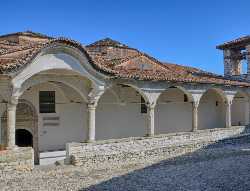 Museum
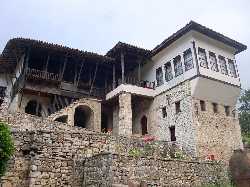 Museum
 Museum
 Castle
 Church
 Church
 Bridge