Krujë Castle Hammam
Krujë Castle’s hammam is one of the most atmospheric corners of the fortress complex, a small Ottoman bathhouse that reveals how daily life once unfolded behind the castle walls. Built in the 15th century during the early Ottoman presence in Krujë, it served both soldiers and residents, offering a rare glimpse into the social rituals of bathing, conversation, and relaxation that shaped community life. Inside, you can still trace the classic layout of an Ottoman bath: the warm room where visitors acclimated to the heat, the hot room with its central heating system, and the changing area where people prepared for the bath. The stone floors and domed ceilings remain intact, and if you look closely, you’ll notice small wall niches once used for oil lamps and personal belongings. The heating system—based on an underfloor hypocaust—shows how advanced Ottoman engineering was for its time. What makes the hammam especially compelling is its intimacy. Unlike grand imperial bathhouses, this one is compact, designed for a small garrison and local townspeople. Its modest scale helps you imagine the quiet conversations, steam-filled air, and daily routines that once animated the space.
Krujë Albania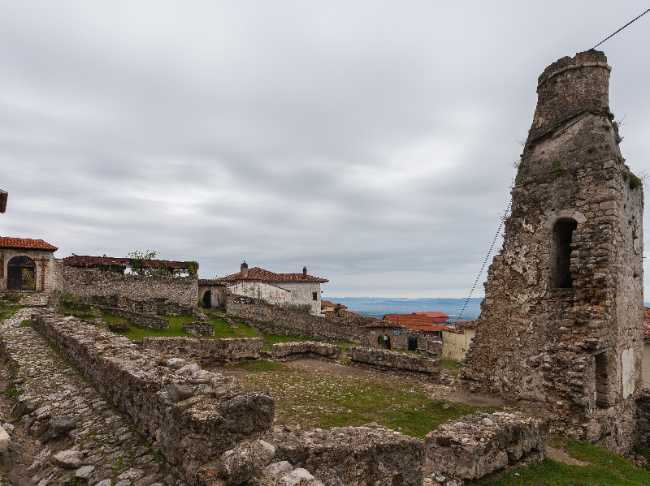
The Krujë Castle Hammam sits right inside the historic walls of Kruja Castle in the town of Krujë, Albania. You’ll find it along Rruga Kala in the heart of the old fortress area, a short uphill walk from the lower town. This 15th-century Ottoman bathhouse is one of the oldest of its kind in the country. It was carefully restored a few years back so visitors can still admire the domed chambers and traditional layout even if it’s no longer used for bathing. Right nearby you’ll come across the Skanderbeg Museum, dedicated to Albania’s national hero Gjergj Kastrioti, and the Ethnographic Museum housed in an old traditional home that shows everyday life from past centuries. Just a short stroll away is the peaceful Dollma Tekke, a small Bektashi shrine, along with the remains of the old watch tower and the castle’s own stone walls that offer sweeping views over the surrounding plains. Down below the fortress lies the lively Old Bazaar, full of cobbled lanes and local crafts, making it easy to wander from one historic spot to the next without ever leaving the area.
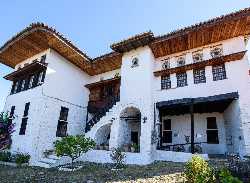 Museum
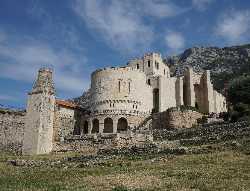 Castle
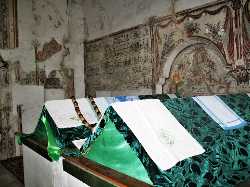 Mosque