Okehampton Castle
Okehampton Castle, set above the River Okement on the edge of Dartmoor, is one of Devon’s most evocative medieval ruins. Founded soon after the Norman Conquest, it grew into the largest castle in the county, serving as the powerful seat of the de Courtenay family. Its dramatic location—surrounded by steep woodland and rising ground—made it both defensible and visually imposing, a symbol of authority over the surrounding lands. Inside the ruins, visitors can explore the great hall, where medieval banquets once took place, and the imposing tower keep, which offers sweeping views across the valley. The castle’s layout is still easy to read: the kitchens, buttery and private chambers cluster around the hall, while the remains of the curtain wall trace the fortress’s defensive perimeter. Informative panels explain how the castle evolved from a Norman stronghold into a comfortable noble residence before falling into decline after the Courtenays were implicated in treason in the 16th century. One of the most atmospheric features is the riverside setting. Woodland paths lead around the base of the motte, giving a sense of how isolated and commanding the castle once felt. Though now a ruin, Okehampton Castle retains a powerful presence, offering a memorable blend of history, landscape and medieval storytelling.
Okehampton United Kingdom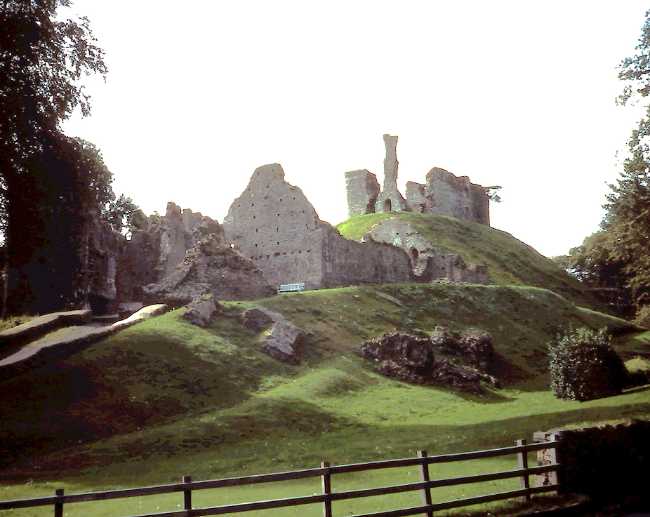
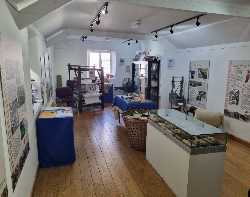
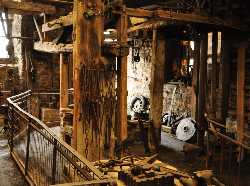
Okehampton Castle is a dramatic medieval fortress ruin set on a wooded spur above the West Okement River, right on the edge of Dartmoor National Park in Devon, England. The exact address for the site is Castle Lodge, Okehampton, Devon, EX20 1JA, United Kingdom. Built shortly after the Norman Conquest in the late eleventh century, it grew into the largest castle in Devon before being dismantled during the Tudor era. Managed by English Heritage, the ruins feature the remains of a stone keep, a gatehouse, and a great hall, all surrounded by peaceful woodland paths and riverside walks. The local area offers several historic and cultural attractions to discover nearby. Just down the road in the town center, the Museum of Dartmoor Life is housed in a nineteenth-century watermill and spans three floors of local folk history, traditional crafts, and rural life exhibits. A short drive southwest leads to Lydford Castle and Saxon Town, where visitors can see a medieval stone prison tower alongside ancient Saxon earthworks. East in Sticklepath, history enthusiasts can visit Finch Foundry, a water-powered forge cared for by the National Trust. Further east along Dartmoor stands Castle Drogo, a early twentieth-century granite fortress designed by Sir Edwin Lutyens with terraced gardens overlooking the Teign Gorge.
 Museum
 Museum