Museum of Dartmoor Life
The Museum of Dartmoor Life in Okehampton offers one of the most atmospheric introductions to the moor’s history, weaving together archaeology, rural traditions and the everyday stories of the people who shaped this rugged landscape. Set inside a restored 19th‑century mill, the museum uses its historic architecture to great effect: stone walls, timber beams and the old waterwheel create an immersive backdrop for the collections. Inside, visitors can explore three floors of displays that trace Dartmoor’s past from prehistoric settlements to modern farming. Bronze Age tools, pottery and domestic objects reveal how early communities lived on the moor, while medieval artefacts highlight the region’s long connection to tin mining and trade. The Victorian period is vividly represented through recreated workshops, including a blacksmith’s forge and a cooper’s bench, showing the crafts that sustained rural life. One of the museum’s most engaging features is its focus on Dartmoor’s unique industries—sheep farming, granite quarrying and the prison at Princetown—all illustrated through photographs, machinery and personal stories. The top floor offers panoramic views over Okehampton, tying the museum’s narrative back to the landscape itself.
Okehampton United Kingdom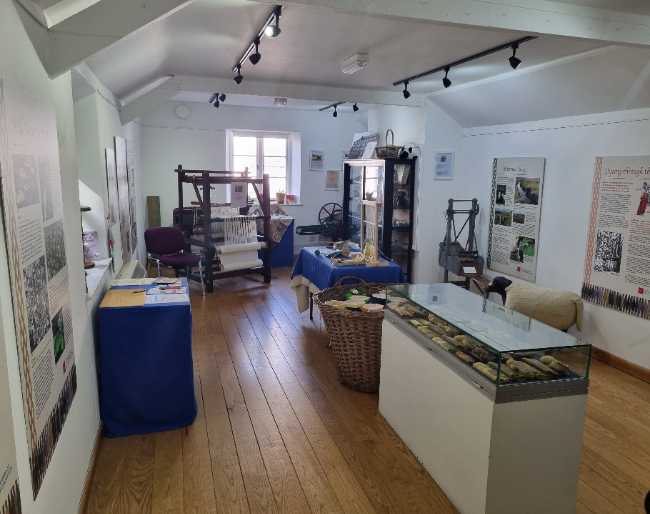
The Museum of Dartmoor Life sits in the centre of Okehampton at 3 West Street, Okehampton, Devon, EX20 1HQ. You’ll find it tucked into a quiet cobbled courtyard right next to the White Hart Hotel, making it a handy stop in the middle of town. Just a short walk away are the ruins of Okehampton Castle, a fine Norman stronghold that once watched over the surrounding hills and still has plenty of atmosphere to explore. The town itself sits on the northern edge of Dartmoor National Park, so once you’ve looked around the museum you can head straight out onto the moor for open views, granite tors and quiet paths. Within easy reach there are also local walks along the River Okement and a few other historic corners of the town. Everything feels nicely linked, so you can move from the museum’s stories of Dartmoor life to the castle ruins or a gentle stroll into the national park without any rush, taking in the mix of market-town and wild moorland as you go.
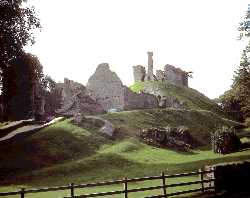 Castle
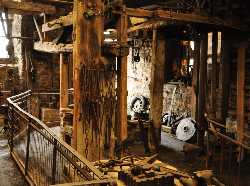 Museum