Finch Foundry
Finch Foundry in Sticklepath is one of Devon’s most atmospheric industrial heritage sites, a rare survivor of the county’s once‑thriving edge‑tool industry. Run by the Finch family from the early 19th century, the foundry produced thousands of tools for farmers, builders and miners across Dartmoor and beyond. What makes it remarkable today is that its original water‑powered machinery still operates, offering visitors a vivid sense of Victorian engineering in action. Inside, you can watch the huge waterwheels drive massive hammers, grindstones and stamping machines—an impressive demonstration of how raw power was harnessed long before electricity. The rhythmic thud of the tilt hammer and the roar of the water channels create an immersive experience that feels both dramatic and authentic. The museum also displays finished tools, workshop benches and personal items belonging to the Finch family, revealing the skill and precision behind everyday implements. Exhibits explain how the foundry adapted over time, surviving fires, floods and changing markets until its closure in 1960.
Okehampton United Kingdom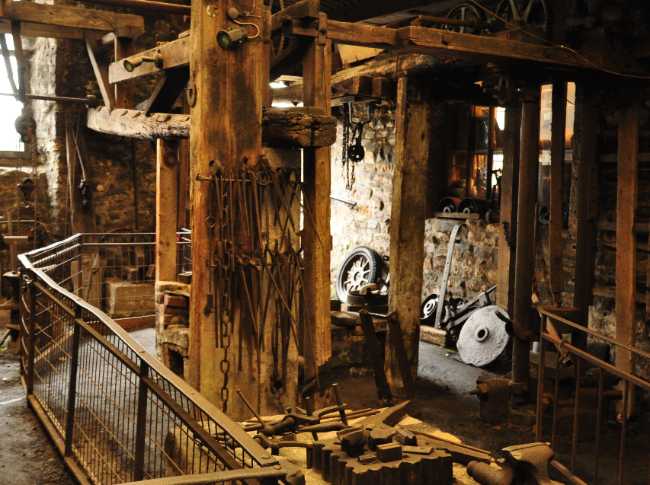
Finch Foundry sits in the quiet village of Sticklepath near Okehampton at Sticklepath, Okehampton, Devon, EX20 2NW. You’ll find it right in the heart of the village, a short distance from the main road that runs along the edge of Dartmoor. A few minutes’ walk takes you through Sticklepath itself, with its traditional streets and the start of local paths. Nearby Okehampton offers the ruins of Okehampton Castle and the Museum of Dartmoor Life, both easy to reach for a deeper look at the area’s history. The surrounding Dartmoor National Park opens out with open moorland walks, while the Tarka Trail passes close by for a longer riverside or countryside stroll. Everything is close enough that you can move from the foundry’s working waterwheels and hammers to the village paths, the castle or the open moor without any rush, taking in the mix of industrial heritage and wild Dartmoor scenery as you go.
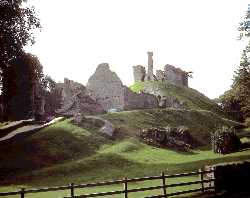 Castle
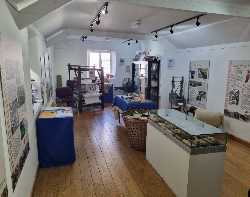 Museum