Jelgava
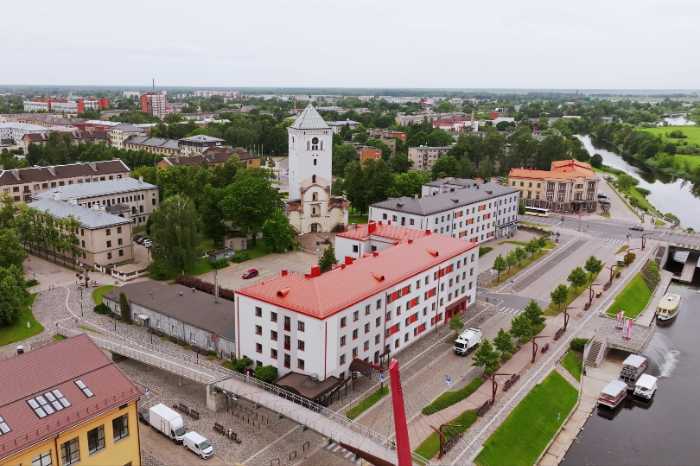
Located in central Latvia about 40 kilometers southwest of Riga, Jelgava is a historic city known for its grand palace, rich cultural heritage, and beautiful riverside setting. Situated between the Lielupe and Driksa rivers, Jelgava has long been an important political and cultural center of the Zemgale region. The city combines elegant architecture, museums, parks, and historical landmarks, making it one of Latvia’s most interesting destinations outside the capital. The city’s most famous landmark is the impressive Jelgava Palace, the largest Baroque-style palace in the Baltic States. Designed in the 18th century by the famous Italian architect Bartolomeo Rastrelli, who also designed parts of the Winter Palace in St. Petersburg, the palace once served as the residence of the Dukes of Courland and Semigallia. Today the building houses the Latvia University of Life Sciences and Technologies, but visitors can still explore parts of the palace and admire its grand architecture. Inside the palace complex visitors can see the Crypt of the Dukes of Courland, where members of the former ducal family are buried in decorated sarcophagi. This historical crypt is one of the city’s most important museum attractions and offers insight into Latvia’s noble history. Another important cultural attraction is the Ģederts Eliass Jelgava History and Art Museum. The museum presents the history of Jelgava and the Zemgale region through art collections, archaeological artifacts, and exhibitions about local culture and traditions. It is one of the oldest museums in Latvia and is located in the historic Academia Petrina building, the country’s first higher education institution. Nature and animal lovers often visit the famous Jelgava Wild Horses area on nearby floodplain meadows, where semi-wild horses graze freely in a protected natural environment. Visitors can walk along wooden pathways and observe birds and wildlife along the Lielupe River. Jelgava is also known for its churches and historical architecture. St. Simeon and St. Anna Orthodox Cathedral is one of the city’s most recognizable religious landmarks, while the tower of the destroyed Holy Trinity Church now serves as a modern viewing platform and exhibition center offering panoramic views of the city. The city hosts several popular cultural festivals, including the annual Ice Sculpture Festival and Sand Sculpture Festival, attracting artists and visitors from many countries. Parks, riverside promenades, and public squares create a pleasant atmosphere for walking and sightseeing. Although much of Jelgava was damaged during World War II, the city has carefully preserved its historical identity. Today visitors can enjoy a combination of Baroque architecture, museums, palaces, churches, and natural attractions that make Jelgava one of Latvia’s most fascinating cultural destinations.
What to see in Jelgava
 Castle
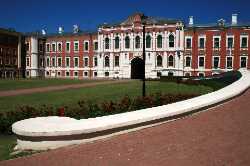
Valdeka castle
Castle
Valdeka castle
 Castle
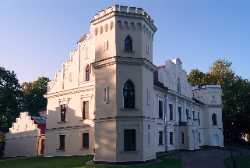
St.Simeon and St.Ann Orthodox Cathedral
Castle
St.Simeon and St.Ann Orthodox Cathedral
 Church
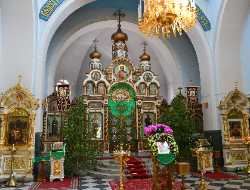
Cathedral of the Immaculate Virgin Mary
Church
Cathedral of the Immaculate Virgin Mary
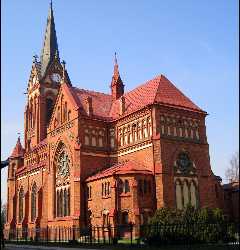 Church
Palace Museum and Crypt of the Dukes of Courland
Church
Palace Museum and Crypt of the Dukes of Courland
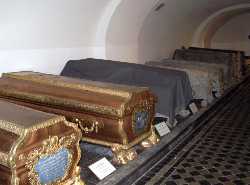 Museum
Ādolfa Alunāna memoriālais muzejs
Museum
Ādolfa Alunāna memoriālais muzejs
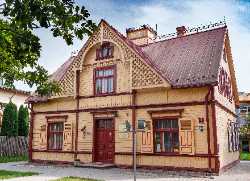 Museum
Jelgava Exhibition of Latvian Railway History Museum
Museum
Jelgava Exhibition of Latvian Railway History Museum
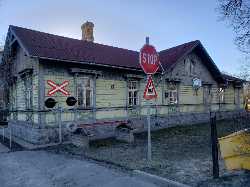 Museum
Jelgavas Vecpilsētas māja
Museum
Jelgavas Vecpilsētas māja
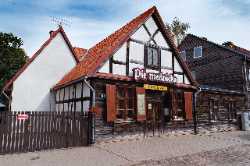 Museum
 of the Ģintermuiža Hospital
Museum
Museum of the Ģintermuiža Hospital
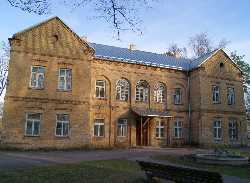 Museum
Pilssalas skatu tornis
Museum
Pilssalas skatu tornis
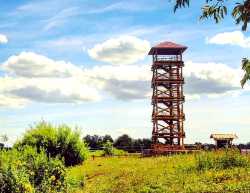 Observation deck
History exhibitions of St. Trinity Church Tower
Observation deck
History exhibitions of St. Trinity Church Tower
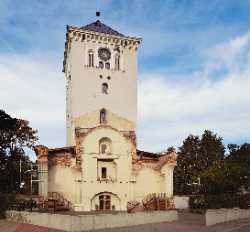 Tower
Tower