Schwerin
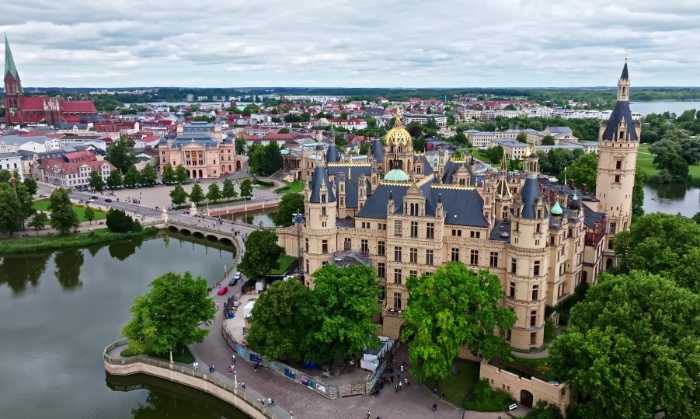
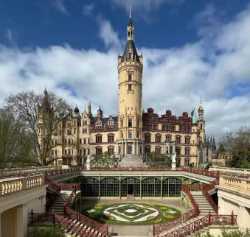
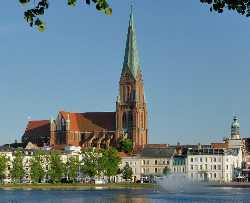
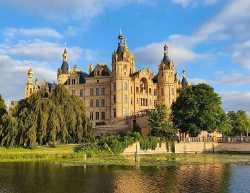
Schwerin, the capital of the northeastern German state of Mecklenburg-Vorpommern, is a city steeped in history and picturesque charm. Known as the "Venice of the North" due to its location amidst seven lakes, Schwerin’s most iconic landmark is the fairy-tale Schwerin Castle. This magnificent castle, situated on an island in Lake Schwerin, was the residence of the Dukes and Grand Dukes of Mecklenburg for centuries and today houses the state parliament. Since 2024, the castle, along with its surrounding historic residential buildings, has been recognized as a UNESCO World Heritage Site. With a population just under 100,000, Schwerin is Germany’s smallest state capital, yet it offers a rich blend of cultural experiences and architectural heritage. The roots of Schwerin stretch back over a millennium to its first mention in 1018 and its establishment as a Slavic settlement known as Zuarina. In 1160, Henry the Lion conquered the area, leading to its development as a German town and the construction of a strategic fortress on Lake Schwerin’s shores. Over time, the city grew into a political and cultural center, serving as the seat of the Duchy of Mecklenburg-Schwerin. The 19th century was a period of transformation for the city, marked by architectural enhancements including the redesign of the Schwerin Castle into a stunning example of Romantic historicist style by renowned architects such as Gottfried Semper. Schwerin's cityscape is characterized by well-preserved historical architecture, including the Gothic Schwerin Cathedral dating back to the 13th century, Baroque palaces, and the State Museum, which features notable art collections. Despite the ravages of two World Wars, Schwerin managed to retain much of its old-world charm, with careful post-war restoration ensuring its historical integrity. The city is surrounded by beautiful lakes, parks, and gardens, making it an attractive destination for both nature lovers and history enthusiasts. Cultural life in Schwerin is lively, with a calendar filled with festivals such as the Schlossfestspiele, a renowned castle theatre festival, the Old Town Festival, and the romantic Mäkelborg Christmas Market. Together with its museums, galleries, and architectural gems, Schwerin offers visitors a unique experience where history, nature, and culture combine seamlessly in one of northern Germany’s most enchanting cities. Schwerin stands today as a testament to its rich past and vibrant present, inviting exploration of its majestic castle, serene lakes, and the vibrant city life that flourishes within its historic walls.
What to see in Schwerin
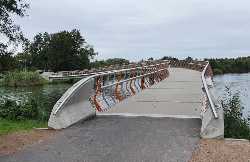 Bridge
Reppiner Burg
Bridge
Reppiner Burg
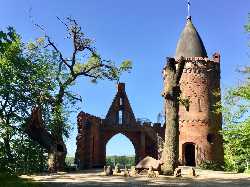 Castle
Güstrow Palace
Castle
Güstrow Palace
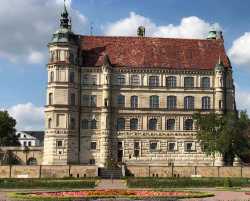 Castle
Schwerin Castle
Castle
Schwerin Castle
 Castle
Schweriner Dom
Castle
Schweriner Dom
 Church
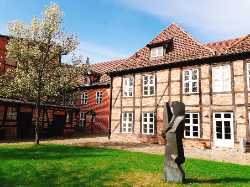
Kulturforum Schleswig-Holstein-Haus
Church
Kulturforum Schleswig-Holstein-Haus
 Cultural Centre
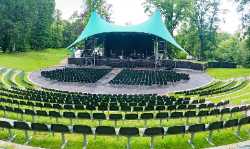
Freilichtbühne Schwerin
Cultural Centre
Freilichtbühne Schwerin
 Events Venue
Graureiherwald Krebsförden
Events Venue
Graureiherwald Krebsförden
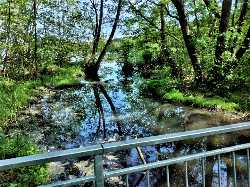 Forest
Göhrener Tannen
Forest
Göhrener Tannen
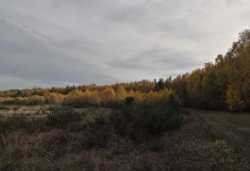 Forest
Dezernat 5
Forest
Dezernat 5
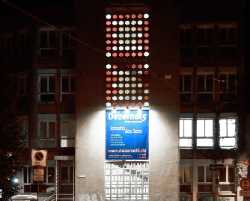 Gallery
Kunst-Wasser-Werk e.V.
Gallery
Kunst-Wasser-Werk e.V.
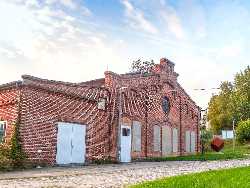 Gallery
KUNSTraum Schwerin
Gallery
KUNSTraum Schwerin
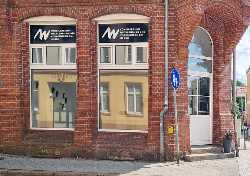 Gallery
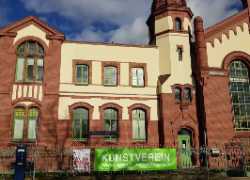
Kunstverein für Mecklenburg und Vorpommern
Gallery
Kunstverein für Mecklenburg und Vorpommern
 Gallery
 Berger
Gallery
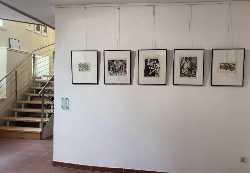
Gallery Berger
 Gallery
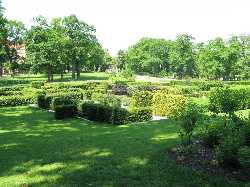
Heckengarten Schwerin
Gallery
Heckengarten Schwerin
 Garden
Pfaffenteich
Garden
Pfaffenteich
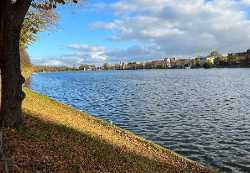 Lake
Schlossmuseum Schwerin
Lake
Schlossmuseum Schwerin
 Museum
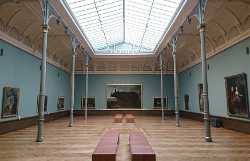
Staatliches Museum Schwerin
Museum
Staatliches Museum Schwerin
 Museum
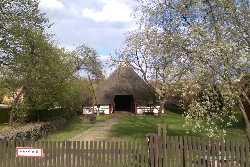
Freilichtmuseum Schwerin-Mueß
Museum
Freilichtmuseum Schwerin-Mueß
 Museum
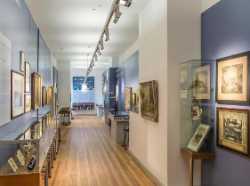
Stiftung Mecklenburg
Museum
Stiftung Mecklenburg
 Museum
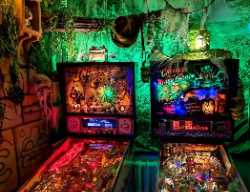
Flippermuseum Schwerin
Museum
Flippermuseum Schwerin
 Museum
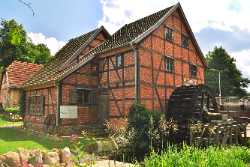
 Schleifmühle Schwerin
Museum
Museum Schleifmühle Schwerin
 Museum
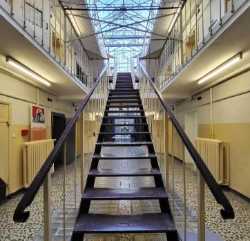
Dokumentationszentrum Schwerin
Museum
Dokumentationszentrum Schwerin
 Museum
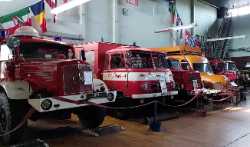
Internationales Feuerwehrmuseum Schwerin
Museum
Internationales Feuerwehrmuseum Schwerin
 Museum
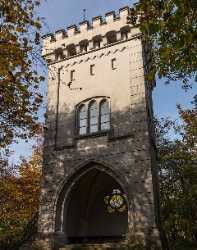
Kaninchenwerder Observation Tower
Museum
Kaninchenwerder Observation Tower
 Observation deck
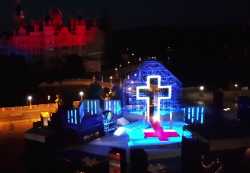
Open Air Opera
Observation deck
Open Air Opera
 Opera House
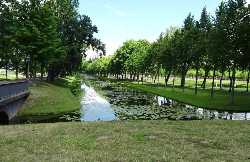
Schwimmende Wiese
Opera House
Schwimmende Wiese
 Park
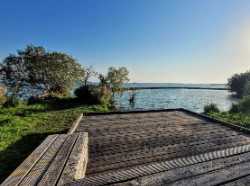
Deck Adebors Näs
Park
Deck Adebors Näs
 Park
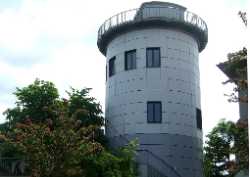
Sternwarte & Planetarium Schwerin
Park
Sternwarte & Planetarium Schwerin
 Planetarium
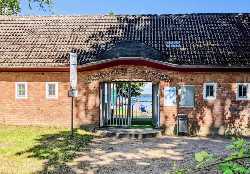
Freibad Kalkwerder
Planetarium
Freibad Kalkwerder
 Swimming Pool
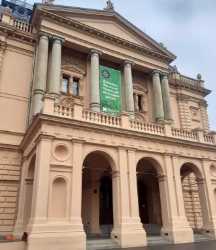
Mecklenburgisches Staatstheater
Swimming Pool
Mecklenburgisches Staatstheater
 Theatre
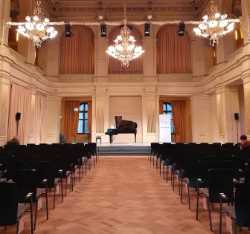
Mecklenburg State Theatre
Theatre
Mecklenburg State Theatre
 Theatre
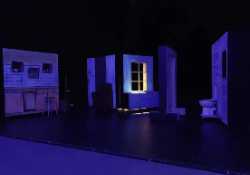
M*Halle
Theatre
M*Halle
 Theatre
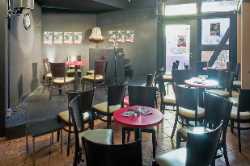
KlangWert
Theatre
KlangWert
 Theatre
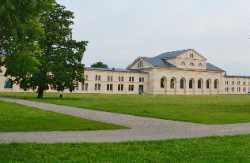
Marstall Halbinsel
Theatre
Marstall Halbinsel
 Tourist attraction
Zoo Schwerin
Tourist attraction
Zoo Schwerin
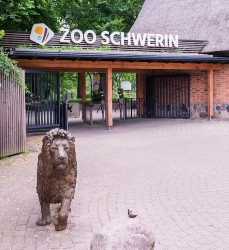 Zoo
Zoo