Ģ. Eliasa Jelgavas vēstures un mākslas muzejs
Ģederts Eliass Jelgava History and Art Museum is one of Zemgale’s most important cultural institutions, housed in the former Academia Petrina—Latvia’s oldest higher‑education building, founded in 1775 by Duke Peter Biron. The structure itself is a landmark of Enlightenment‑era architecture, surviving wars, fires, and political upheavals while remaining a symbol of Jelgava’s intellectual heritage. The museum is named after Ģederts Eliass, a prominent Latvian painter known for expressive rural scenes and bold colour work. His personal collection forms one of the museum’s core treasures, offering insight into early 20th‑century Latvian art and the emotional depth of Eliass’s style. Beyond fine art, the museum presents Jelgava’s long and dramatic history—from its days as the capital of the Duchy of Courland to its near‑destruction during World War II. Exhibits include archaeological finds, ethnographic objects, and materials documenting the city’s once‑vibrant student life.
Sigulda Latvia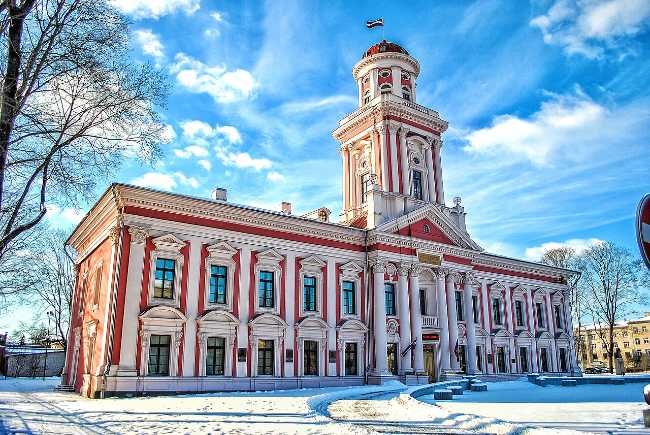
Ģ. Eliasa Jelgavas vēstures un mākslas muzejs is located in the centre of Jelgava, on Akadēmijas Street, in an 18th‑century building that once served as the Academia Petrina. It stands in the historic core of the city, making it easy to reach on foot from the main square and the train station. Nearby, you can explore Jelgava Castle ruins, the Great Square and the surrounding historic streets lined with traditional town houses. The Jelgava Trinity (Svētā Trīsvienības) Church and its tower, along with the city’s river embankments on the Lielupe, are popular spots for a short walk. The city also offers smaller art venues, memorial museums, and regular cultural events in the Old Town, so the museum fits naturally into a compact day of history, art, and local atmosphere.
 Museum
 Castle
 Castle
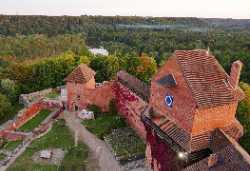 Castle
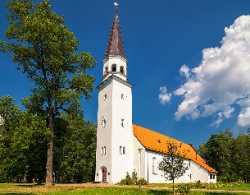 Church
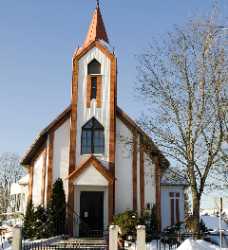 Church
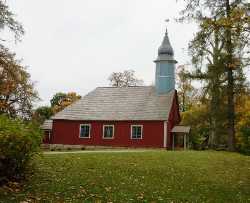 Church
 Tourist attraction