Palanga Church of the Assumption of the Blessed Virgin Mary
The Church of the Assumption of the Blessed Virgin Mary is one of Palanga’s most recognisable landmarks, its slender Neo‑Gothic spire rising 76 metres above the resort town. Completed in 1907, it replaced an older wooden church and became a symbol of Palanga’s growing cultural life under the Tiškevičius family. Built entirely of red brick, the church stands out for its elegant proportions and the way its tower guides visitors toward the town centre. Inside, the church feels bright and harmonious, with high rib‑vaulted ceilings and long, narrow windows that fill the nave with soft coloured light. The main altar, dedicated to the Virgin Mary, features expressive sculptures and delicate ornamentation typical of early 20th‑century Lithuanian sacred art. Several side altars display paintings brought from earlier churches, preserving centuries of local devotion. One of the most interesting details is the church’s stained glass, added during later restorations, which depicts Marian themes and scenes from the life of Christ. The organ loft houses a large instrument used for concerts that resonate beautifully in the tall interior. Visitors often pause to admire the carved wooden pulpit and the peaceful atmosphere that contrasts with the lively seaside streets outside.
Palanga Lithuania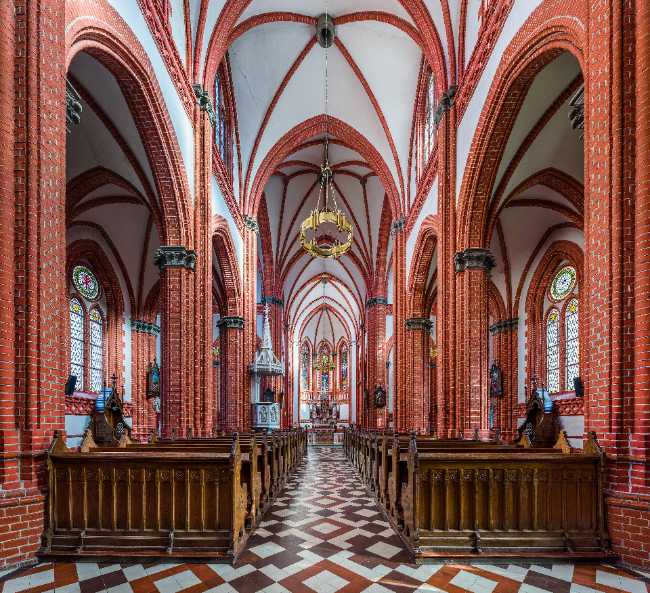
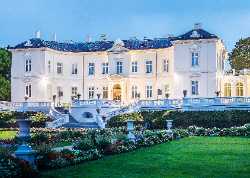
Located in the heart of Palanga, Lithuania, the Church of the Assumption of the Blessed Virgin Mary is the town's most striking landmark. This neo-Gothic red brick church stands tall on Vytauto Street, just a short walk from the main pedestrian area of J. Basanavičiaus Street. Built between 1897 and 1907 and designed by Swedish architect Karl Eduard Strandmann, its 76 meter tower dominates the seaside resort's skyline and is visible from many points in town. What to see nearby: The church is only a 10 minute walk from Palanga's famous pedestrian street J. Basanavičiaus, lined with cafes, amber shops, and leading straight to the Palanga Pier and Baltic Sea beach. Next to the church is the quiet Birutė Park, home to the Palanga Amber Museum housed in the 19th century Tiškevičiai Palace. The park's botanical gardens, Birutė Hill, and sculptures make it perfect for a stroll. From the church, it is also easy to reach the Palanga Concert Hall and the town's many spa centers.
 Museum
 Museum
 Museum
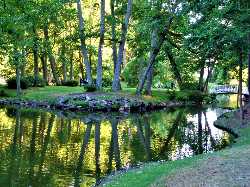 Botanical Garden
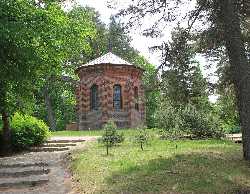 Tourist attraction