Antano Mončio meno muziejus
The Antanas Mončys Museum in Palanga is a striking tribute to one of Lithuania’s most original modern sculptors. Opened in 1999, it was created with the artist’s personal donation of more than 200 works—an extraordinary gesture that allowed his creations, long shaped abroad, to find a home on the Baltic coast. Mončys, who spent most of his life in France, developed a distinctive sculptural language rooted in Lithuanian folk motifs, mythology and the expressive power of wood. Inside, visitors encounter an impressive collection of wooden sculptures carved from oak, ash and elm. Their flowing, organic forms often resemble masks, totems or abstracted human figures, revealing Mončys’ fascination with identity and memory. Many pieces are designed to be touched or even sounded—Mončys created “musical sculptures” whose hollow forms produce tones when struck, adding an unexpected sensory dimension. The museum also displays drawings, collages and early works that trace the artist’s evolution from traditional carving to bold modernism. A dedicated section explores his connections with the École de Paris and his collaborations with other émigré artists. The intimate layout of the museum allows visitors to experience the sculptures up close, appreciating the textures, rhythms and craftsmanship that define Mončys’ style.
Palanga Lithuania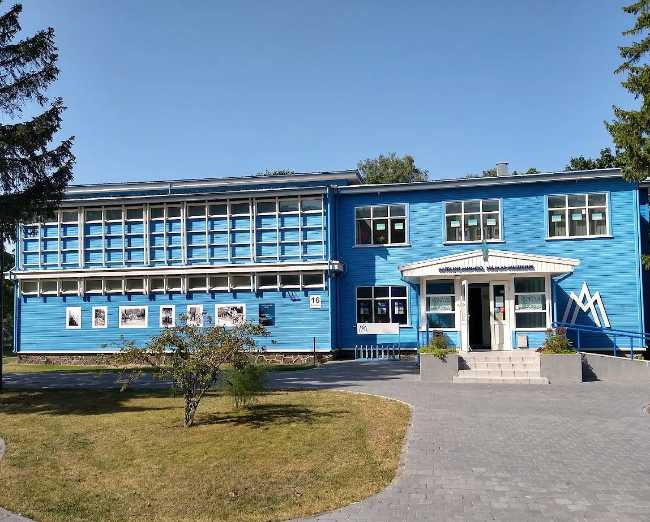
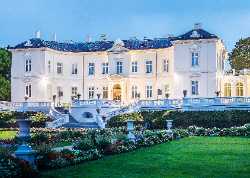
Antanas Mončys Art Museum (Antano Mončio meno muziejus) is a beloved house-museum in Palanga, Lithuania’s famous seaside resort town. It is located at S. Daukanto Street 16, in the former home and studio of the sculptor Antanas Mončys, a unique Lithuanian modernist who spent much of his career in Paris but remained deeply connected to his homeland. The museum invites visitors to not only admire but also touch the sculptures, as Mončys wished. Nearby attractions are all within walking distance. Close by is the Palanga Fairy Tale Park, opened in 2016, which offers unforgettable experiences for families with its whimsical sculptures and storytelling spaces. The beautiful Palanga Botanical Park (Birutė Park) is also nearby, with its rose garden, ponds, sculptures including the famous “Snake Queen,” and the world-famous Palanga Amber Museum housed in the Tiškevičiai Palace. Also close by is the lively J. Basanavičius Street, the main pedestrian street lined with cafés, restaurants, and entertainment venues, leading down to Palanga’s white sandy beach and the iconic Palanga Pier, the perfect spot to watch the famous Baltic sunsets. The Palanga Resort Museum in Villa Anapilis and the fragrant pine forests and rolling dunes surrounding the town are also easily accessible.
 Museum
 Museum
 Church
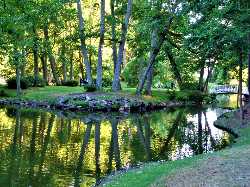 Botanical Garden
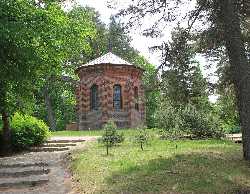 Tourist attraction