Wooden Articular Church
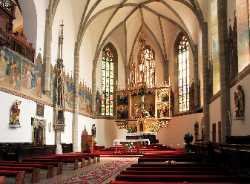
The Wooden Articular Church of Kežmarok is one of the most remarkable wooden sacral buildings in Europe and a UNESCO‑listed treasure. Built in 1717 entirely from wood—without a single metal nail—it was constructed under strict Articular rules that limited Protestant communities to inexpensive materials and modest locations. An interesting fact is that the builders ingeniously used wooden pegs, joints, and even leather elements to meet these restrictions while still creating a richly decorated interior. Inside, the church surprises with its scale: it can hold more than 1,500 worshippers. The Baroque altar and pulpit, painted in vivid blues and golds, form the visual heart of the space. The organ, crafted by the famous Master Vavrinec, is another highlight, known for its warm, resonant sound. The painted wooden ceiling, covered with floral and geometric motifs, creates a sense of colour and movement that contrasts beautifully with the church’s humble exterior. Visitors can also admire the women’s gallery, supported by carved pillars and decorated with biblical scenes. Together, these elements make the church an extraordinary example of craftsmanship, resilience, and faith.
Kežmarok Slovakia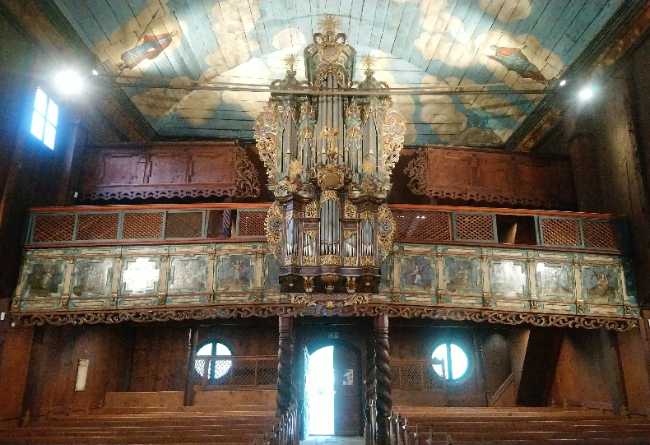
The Wooden Articular Church (Drevený artikulárny kostol) in Kežmarok is a unique UNESCO World Heritage Site Lutheran wooden church located in Kežmarok, in the Spiš region of eastern Slovakia, on the edge of the town near the Poprad River. The church of the Holy Trinity was first built in 1687 and rebuilt to its present form in only three months in 1717. The church's treasures include one of the oldest wooden pipe organs in Europe with wooden pipes, a baptismal font, and a splendid altar. The ceiling paintings began in 1717 and continued for several decades. The church has been protected as an important historical monument since 1892 and was added to the UNESCO list in 2008 as part of the Wooden Churches of the Slovak part of the Carpathian Mountain Area. Just a couple of steps away is the Evangelical Lyceum library, which conceals an incredible collection of 150,000 volumes – the largest historic school library in Central Europe. Opposite the wooden church stands the majestic New Evangelical Church (Red Church) with its distinctive red facade and cupola, built between 1872-1894. The church's mausoleum on the northern side contains the final resting place of Imrich Thököly, the uncrowned king who stood for religious freedom.
 Museum
 Castle
 Historical Landmark
 Church
 Theatre