Ferenczy Museum
The Ferenczy Museum in Szentendre is the cultural flagship of the town, dedicated to the influential Ferenczy family and the broader artistic heritage of the Danube Bend. Named after Károly Ferenczy, a leading figure of Hungarian Impressionism, the museum occupies a modern, light‑filled building that contrasts beautifully with Szentendre’s historic streets. Inside, the permanent exhibition presents an intimate journey through the Ferenczy family’s artistic legacy. Károly’s lyrical landscapes and portraits are displayed alongside the works of his children: Noémi Ferenczy, a pioneering textile artist, and Béni Ferenczy, a sculptor known for his elegant, modernist forms. Together, their works reveal a rare multi‑generational artistic dialogue. The museum also hosts rotating exhibitions that highlight 20th‑century Hungarian art, contemporary projects, and the creative traditions that made Szentendre a magnet for painters and sculptors. Visitors can explore drawings, sculptures, textiles, and archival materials that illuminate the evolution of Hungarian modernism.
Szentendre Hungary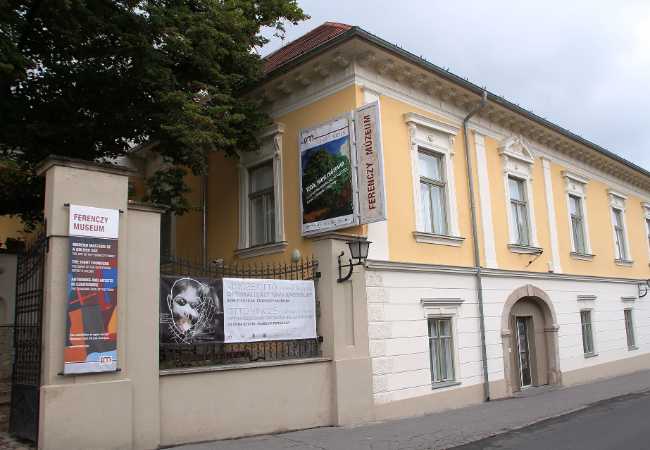
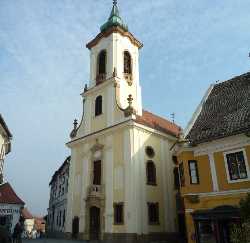
The Ferenczy Museum (Ferenczy Múzeum) is located in the centre of Szentendre, on Kossuth Lajos utca 5, in the heart of the town’s historic Baroque district. It is the first museum you come across when walking up from the HÉV train or bus station towards the main square, making it very easy to reach on foot from the transport stops. Just a short walk from the museum is Fő tér (Main Square), the town’s vibrant heart, with colourful painted houses, cafés, souvenir shops, and important buildings such as the Blagovestenska Serbian Orthodox Church (built 1752) and the Memorial Cross. Near the square, you can also visit the Kmetty Museum with cubist works by János Kmetty and sculptures by Jenő Kerényi. Descending from the main square leads to the Margit Kovács Ceramic Collection, housed in an 18th-century salt house and dedicated to the famous ceramic artist’s sculptures. Szentendre is also known for its many art galleries and studios, the Serbian Ecclesiastical Art Collection, and small museums like the Marzipan Museum with elaborate edible models of Budapest and Hungary. A little further out is the Szentendre Skanzen Open-Air Ethnographic Museum, showcasing traditional Hungarian rural architecture and lifestyle, and the Art Mill (MűvészetMalom), a modern art centre with contemporary exhibitions.
 Museum
Margit Kovács Ceramic Museum
Museum
Margit Kovács Ceramic Museum
 Museum
Kmetty Múzeum
Museum
Kmetty Múzeum
 Museum
Bela Czobel Museum
Museum
Bela Czobel Museum
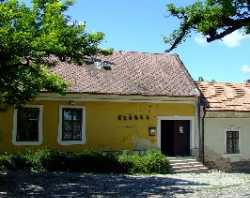 Museum
Vajda Múzeum
Museum
Vajda Múzeum
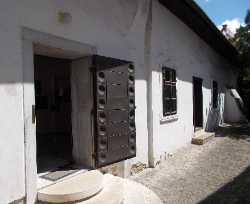 Museum
Ámos Imre - Anna Margit Museum
Museum
Ámos Imre - Anna Margit Museum
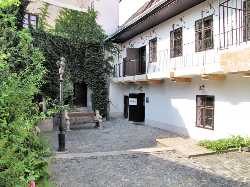 Museum
Szentendre Gallery
Museum
Szentendre Gallery
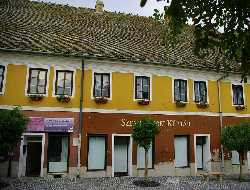 Museum
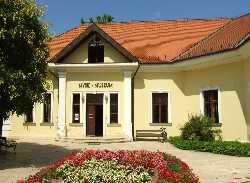
Szerb Egyházi Múzeum
Museum
Szerb Egyházi Múzeum
 Museum
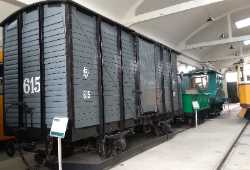
Urban Transport Museum
Museum
Urban Transport Museum
 Museum
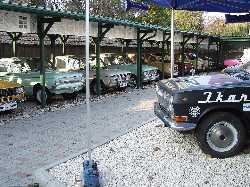
Retro Design Center
Museum
Retro Design Center
 Museum
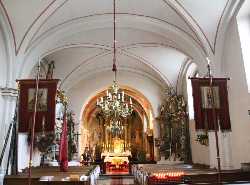
Church of Saint John the Baptist
Museum
Church of Saint John the Baptist
 Church
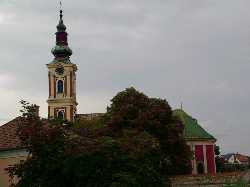
Belgrade cathedral
Church
Belgrade cathedral
 Church
Blagovestenska Church
Church
Blagovestenska Church
 Church
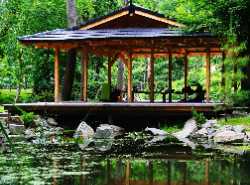
Szentendrei Japánkert
Church
Szentendrei Japánkert
 Park
Park