Japanischer Garten Interlaken
The Japanischer Garten is one of Interlaken’s most serene corners, a gift from Interlaken’s sister city Ōtsu that celebrates harmony between water, stone and vegetation. Opened in 1995, it was designed by Japanese landscape masters who shaped the small space with remarkable precision. Every element—paths, lanterns, ponds—follows traditional principles meant to evoke calm and contemplation. Inside, the garden’s centerpiece is the koi pond, where brightly coloured fish glide beneath a graceful arched bridge. The water reflects surrounding maples and pines, creating a living painting that changes with the seasons. Carefully placed stones represent mountains, while raked gravel areas echo flowing rivers, forming a miniature landscape rich in symbolism. A highlight is the tea pavilion, a small wooden structure inspired by traditional Japanese teahouses. Though not used for ceremonies, it introduces visitors to the aesthetics of wabi‑sabi—simplicity, natural materials and quiet beauty. Stone lanterns and sculpted shrubs guide you along winding paths designed to slow your pace and sharpen your senses.
Interlaken Switzerland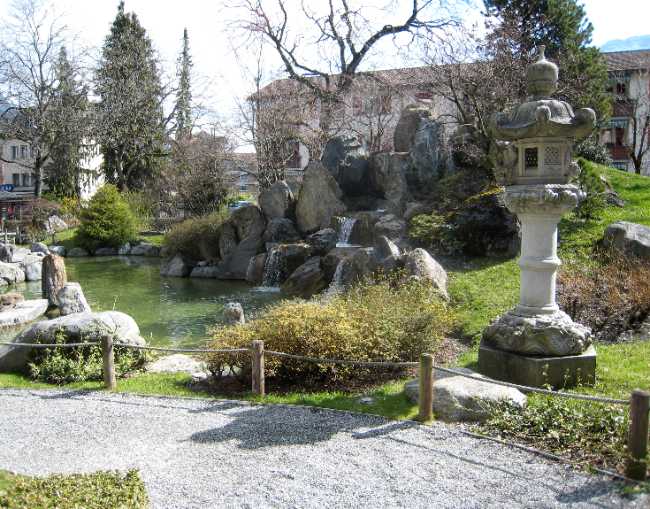
Japanischer Garten Interlaken is located in the center of Interlaken, on Höheweg near Schlossstrasse, right next to Hotel Interlaken. This small Japanese garden was created in 1995 as a gift from Interlaken’s Japanese twin town Ōtsu, and it is also known as the Garden of Friendship. The garden is a peaceful place to pause during a walk through town, with a pond, pavilion, and views that reflect the surrounding Bernese Oberland landscape. Its central location makes it easy to combine with other sights, especially the former Monastery and Interlaken Castle, the Reformierte Schlosskirche, and the nearby Catholic Church. Just a short walk away, visitors can also enjoy the Höhematte park, the Höheweg promenade, and the lively center of Interlaken with its shops, cafés, and hotels. For a longer sightseeing day, the garden is a convenient stop before heading to Harder Kulm, Lake Thun, Lake Brienz, or excursions into the Jungfrau region.
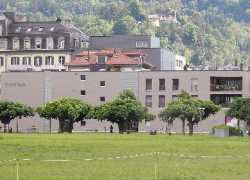 Museum
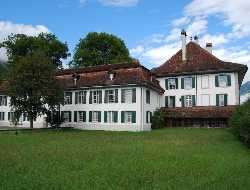 Monastery
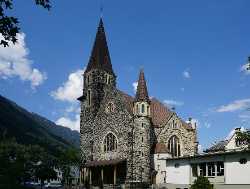 Church
 Theatre
 Park
Park