Kurent's House
Kurentova Hiša in Ptuj is a lively, immersive tribute to one of Slovenia’s most iconic carnival figures: the Kurent. Rather than a traditional museum, it feels like stepping into the backstage world of the country’s most exuberant festival. The house presents the evolution of the Kurent costume, from early handmade versions to today’s richly decorated outfits crafted by local artisans. Each piece reveals how wool, bells, masks, and colourful ribbons carry symbolic meaning tied to fertility, winter’s end, and community identity. Inside, visitors can examine original masks carved from wood, learn how the heavy cowbells are tuned to create the Kurent’s distinctive rhythm, and explore the craft techniques behind the sheepskin garments. Interactive displays show the carnival’s choreography, allowing you to experience the energy of the traditional dance. Archival footage and photographs document how the Kurent tradition survived political changes and became a national cultural emblem.
Ptuj Slovenia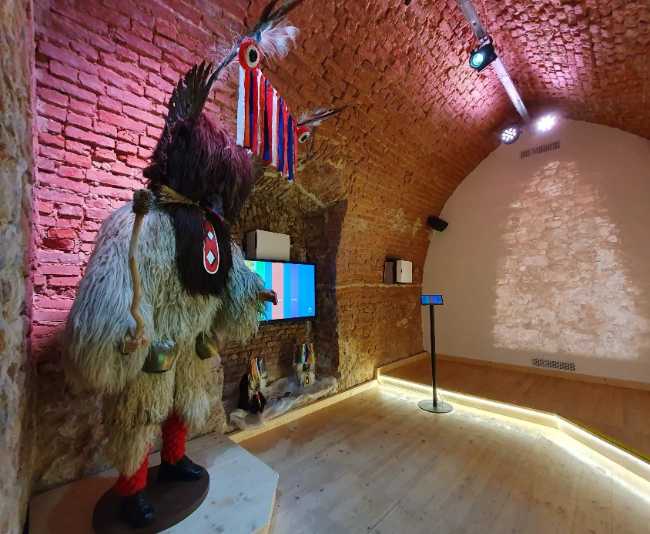
Kurentova hiša, or the House of Kurenti, is located in the heart of Ptuj, Slovenia, the country’s oldest town. You’ll find it in the historic old town center, just a short walk from the main city square. The house is dedicated to kurentovanje, Ptuj’s famous carnival tradition and one of Slovenia’s most recognizable cultural events. Inside, the museum brings the world of the kurent to life. Stepping outside, you’re surrounded by Ptuj’s main attractions. Ptuj Castle towers on the hill above the town and houses the Ptuj–Ormož Regional Museum, offering views over the Drava River and vineyards. The charming old town invites strolls along medieval streets, past the Orpheus Monument, Town Hall, and the Gothic Church of St. George. The Drava River promenade is nearby for relaxed walks and cafés. Wine lovers can visit the historic Ptuj Wine Cellar, one of Slovenia’s oldest, while Terme Ptuj thermal spa is a short drive away for relaxation. During February, the entire town transforms for kurentovanje, with parades and festivities right outside the museum’s door.
 Museum
 Museum
 Museum
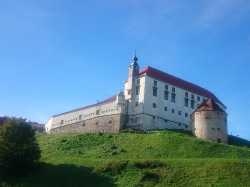 Castle
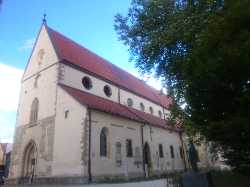 Church
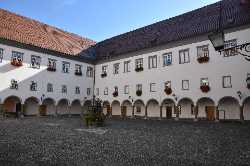 Monastery
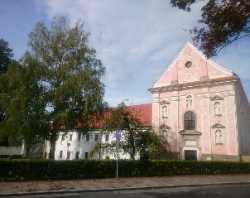 Monastery
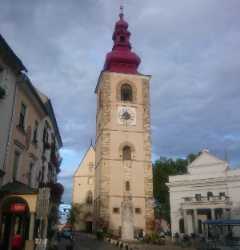 Tower
Tower