Magical World of Shells Museum
The Shell Museum (Muzej školjk) in Piran is a small but captivating treasure trove dedicated to the beauty and diversity of marine life. Located near Tartini Square, it showcases one of the largest private shell collections in Slovenia, assembled over decades by passionate collectors. One of the most interesting facts is that the museum displays shells from all over the world, including rare species from the Pacific and Indian Oceans, making it a surprising global corner in a tiny Adriatic town. Inside, visitors can admire thousands of shells arranged by colour, shape, and habitat. Delicate spiral forms, vividly patterned cowries, giant clams, and shimmering mother‑of‑pearl pieces reveal the astonishing creativity of nature. The museum also presents corals, sea urchins, starfish, and fossils that illustrate how marine ecosystems evolved over millions of years. Children especially enjoy the interactive displays showing how shells form and how different species protect themselves. A charming highlight is the section dedicated to Adriatic marine life, where local shells and small sea creatures tell the story of Piran’s coastal environment. The museum’s intimate scale makes the experience personal, inviting visitors to slow down and appreciate details often overlooked on the beach.
Piran Slovenia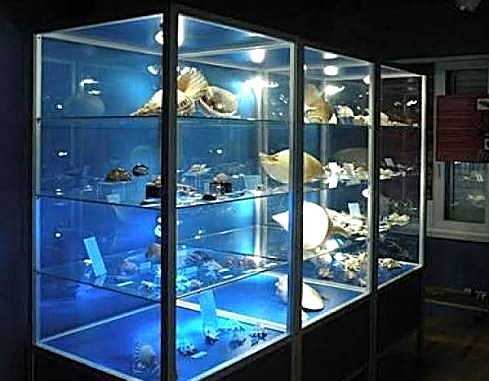
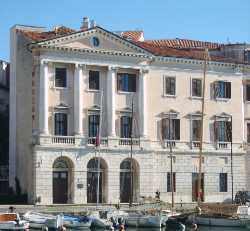
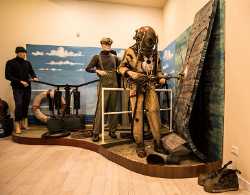
The Muzej školjk, or Shell Museum, is located in Piran, Slovenia, in the old town close to Tartini Square and the waterfront. It is a small private museum that displays an extensive collection of shells, snails, and marine life from the Adriatic Sea and oceans around the world. The exhibits include more than three thousand specimens of various shapes, sizes, and colors, along with corals, sea urchins, and other marine artifacts. The museum’s central location makes it easy to combine with other sights in Piran. Tartini Square, the town’s main oval plaza, is just a short walk away and surrounded by Venetian-style buildings, cafés, and the Tartini House dedicated to the famous violinist and composer. From there, narrow streets lead up to the Church of St. George with its bell tower that provides sweeping views over Piran, the Adriatic, and the Alps on clear days. The medieval town walls above the old town offer another viewpoint and insight into Piran’s Venetian past. Along the waterfront you’ll find the Sergej Mašera Maritime Museum, the Museum of Underwater Activities, and plenty of restaurants serving Istrian seafood. The nearby Sečovlje Salina Nature Park presents traditional salt-making methods still in use. The Shell Museum adds a natural history touch to Piran’s rich mix of culture, architecture, and coastal charm.
 Museum
 Museum
 Museum
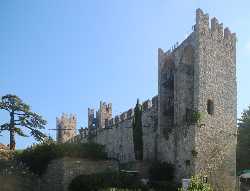 Historical Landmark
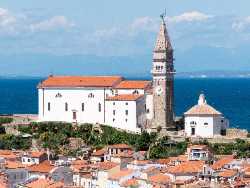 Church
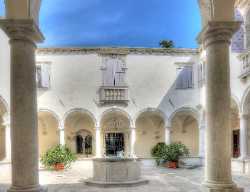 Monastery
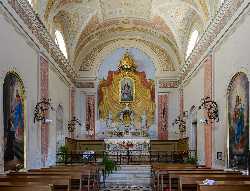 Church
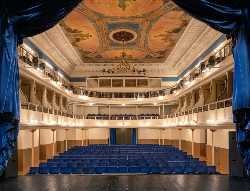 Theatre
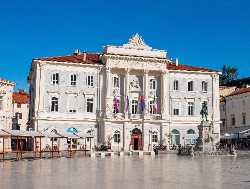 Palace