Parish Church of St. George
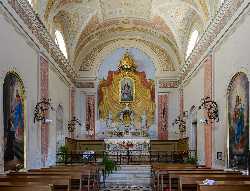
The Parish Church of St. George crowns Piran’s hilltop like a guardian of the Adriatic, its bright façade and tall bell tower forming the town’s most iconic silhouette. The church dates back to the 14th century, but its present appearance reflects later Venetian influence, especially in the elegant Baroque interior. One of the most interesting facts is that St. George is Piran’s patron saint, credited with protecting the town from storms; for centuries, locals rang the church bells to calm the sea and ward off danger. Inside, the nave feels airy and luminous, with marble altars, gilded details, and paintings by important Venetian artists. The main altar, dedicated to St. George, shows the saint in dramatic combat with the dragon, a symbol of Piran’s resilience. Visitors can also see finely carved choir stalls and a collection of sacred art that reveals the town’s deep religious traditions. A highlight is the sacristy, where historic vestments and liturgical objects illustrate centuries of craftsmanship. Just outside, the terrace offers one of Slovenia’s most breathtaking views: red roofs cascading toward the sea, the harbour curving like a crescent, and the distant Alps on clear days. St. George’s Church blends devotion, art, and landscape into a single unforgettable experience.
Piran Slovenia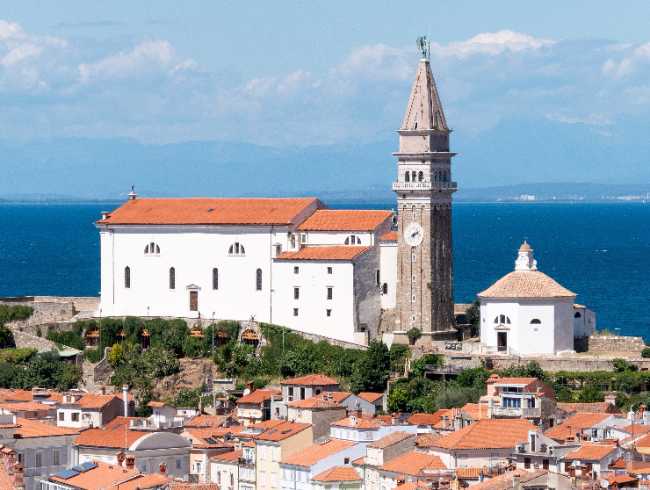
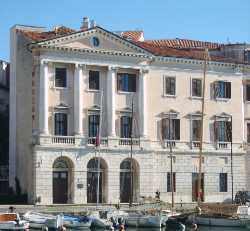
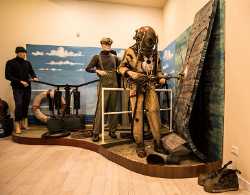
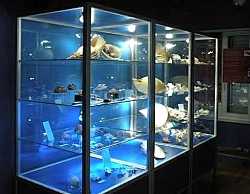
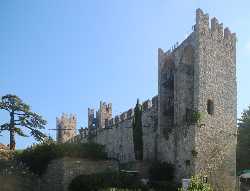
The Parish Church of St. George is located in Piran, Slovenia, on a hill above the old town overlooking the Adriatic Sea. Dedicated to St. George, the patron saint of Piran, the church dates to the 12th century and was rebuilt in the 17th century in a Baroque style. Its spacious interior holds richly decorated altars, paintings by Venetian masters, and a treasury with religious art. The most striking feature is the freestanding bell tower, modeled after St. Mark’s Campanile in Venice. Visitors can climb the tower for sweeping panoramic views over Piran’s red rooftops, the coastline, and on clear days the Julian Alps and Italian shore. The church sits just above Tartini Square, so Piran’s main attractions are within easy reach. The square itself is lined with Venetian-style buildings, cafés, and the Tartini House, birthplace of composer Giuseppe Tartini. From the square, narrow streets lead to the waterfront promenade where you’ll find the Sergej Mašera Maritime Museum in Gabrielli Palace, the Museum of Underwater Activities, and the Shell Museum. The medieval town walls are also close by, offering another viewpoint and a look at Piran’s Venetian defenses. Along the coast are restaurants serving Istrian seafood and spots for swimming. Just outside town, the Sečovlje Salina Nature Park shows traditional salt-making methods that shaped the region.
 Museum
 Museum
 Museum
 Museum
 Historical Landmark
 Monastery
 Church
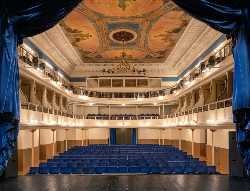 Theatre
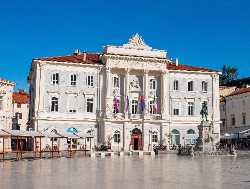 Palace