Museum of the Republic of Srpska
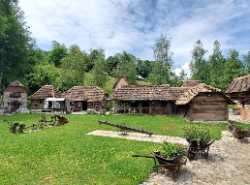
The Museum of the Republic of Srpska in Banja Luka is one of the region’s most comprehensive cultural institutions, tracing local history from prehistoric settlements to the modern era. Housed in a striking early‑20th‑century building, it offers a clear, engaging narrative of how the area’s communities lived, worked, and evolved across millennia. Its archaeological collection is a standout. Visitors can see Illyrian and Roman artefacts, including jewellery, tools, and fragments of everyday pottery that reveal how deeply rooted human activity is in the Vrbas River valley. The medieval section presents rare manuscripts, weaponry, and church objects that illustrate the cultural blend of Slavic, Byzantine, and Central European influences. One of the most interesting facts is the museum’s extensive ethnographic display. Traditional costumes from different regions of the Republic of Srpska show remarkable variation in embroidery, colour, and craftsmanship. Household items—loom‑woven fabrics, carved wooden chests, and copper cookware—offer a vivid picture of rural life before industrialisation. The natural history department adds another layer, featuring fossils, minerals, and taxidermy that highlight the biodiversity of Bosnia’s mountains and rivers.
Banja Luka Bosnia and Herzegovina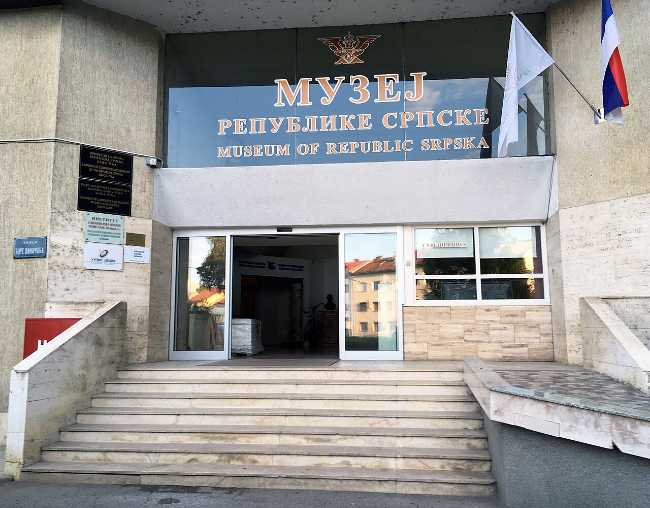
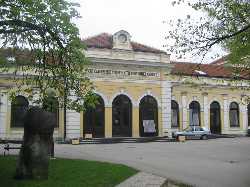
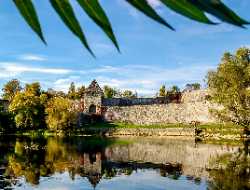
The museum is located at Đure Daničića 1, Banja Luka 78000, Bosnia and Herzegovina. It occupies a prime spot right in the lively urban heart of the city, tucked just a short walk away from the bustling main squares. Because you are right in the city center, you can easily walk to Banja Luka's most celebrated tourist attractions in a matter of minutes. Just a short stroll away sits the grand Kastel Fortress, a massive medieval stone castle perched right along the banks of the Vrbas River. Heading slightly west brings you to the Museum of Contemporary Art of Republic of Srpska, which is housed inside a gorgeous, historic Austro-Hungarian railway station building. You can also easily check out the Banski Dvor Cultural Center, an elegant, palace-like administrative building from the 1930s that sits right across from the spectacular, golden-domed Cathedral of Christ the Saviour.
 Museum
 Museum
 Castle
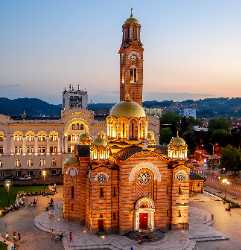 Cathedral
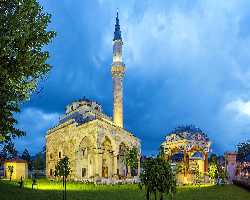 Mosque
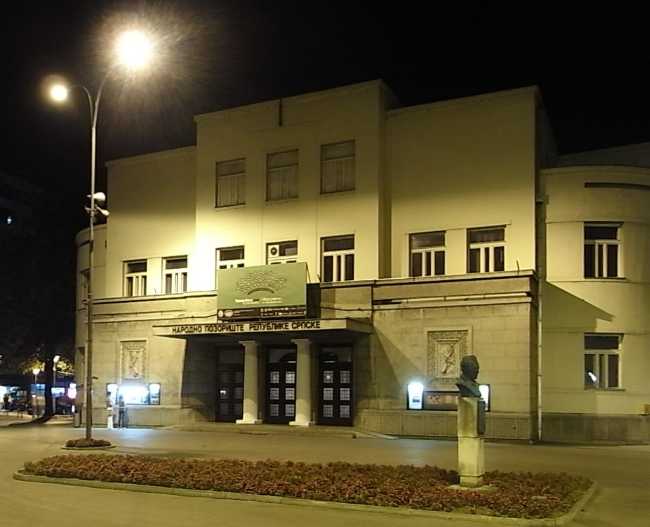 Theatre
 Park
Park